

Table of Contents
Outdoor refrigeration units have become a staple in modern commercial and residential settings. From outdoor kitchens and poolside bars to food trucks and restaurant patios, the need for reliable cooling solutions in open-air environments is growing rapidly. As a manufacturer, we’ve seen first-hand how choosing the right outdoor refrigeration unit can improve efficiency, reduce costs, and enhance customer experience. In this guide, we’ll walk you through everything you need to know about outdoor refrigeration units, from types and features to installation, maintenance, and ROI.
What Is an Outdoor Refrigeration Unit?
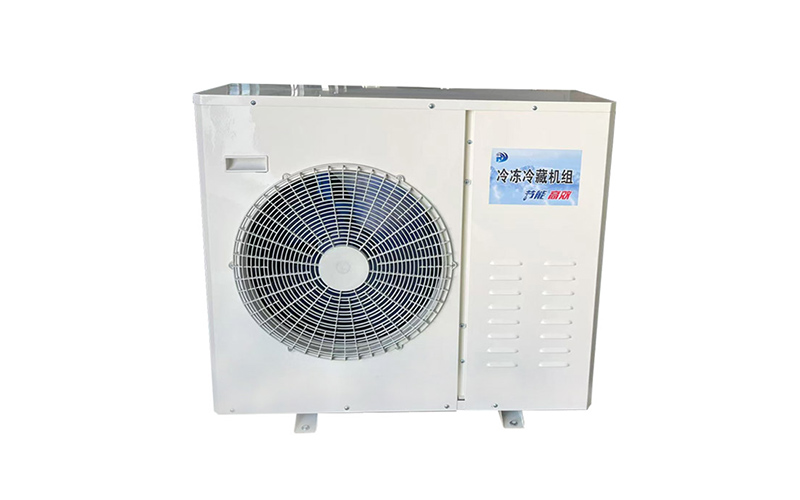
An outdoor refrigeration unit is a refrigeration system specifically designed to operate in external environments where temperature, humidity, and weather conditions can fluctuate dramatically. Unlike indoor refrigerators, outdoor units are built with reinforced materials, improved insulation, and weather-resistant components to handle rain, sunlight, dust, and extreme temperatures.
Outdoor refrigeration units are widely used in:
- Outdoor kitchens and patios
- Restaurants and bars with outdoor seating
- Food trucks and mobile catering
- Hotels and resorts
- Event venues and catering services
- Commercial outdoor beverage stations
The key advantage of an outdoor refrigeration unit is its ability to maintain consistent cooling performance while being exposed to outdoor elements.
Outdoor Refrigeration Unit vs Indoor Refrigeration: Key Differences
The differences between outdoor refrigeration units and indoor refrigerators go beyond just design. Here are the most important distinctions:
Design and Durability
Outdoor units are built to withstand UV exposure, rain, wind, and dust, often featuring stainless steel construction and anti-corrosion coating. Indoor refrigerators, however, are not designed for exposure to the elements and may rust or fail quickly when used outdoors.
Cooling Performance in Heat
Outdoor refrigeration units are engineered to perform efficiently even in high ambient temperatures. They often include higher-capacity compressors, improved airflow, and better insulation to prevent heat gain. Indoor units, when used outside, tend to struggle and consume more power while failing to maintain stable temperatures.
Safety and Stability
Outdoor refrigeration units have stronger seals and reinforced insulation to prevent moisture ingress. This helps reduce the risk of electrical hazards and improves overall operational stability.
Types of Outdoor Refrigeration Units
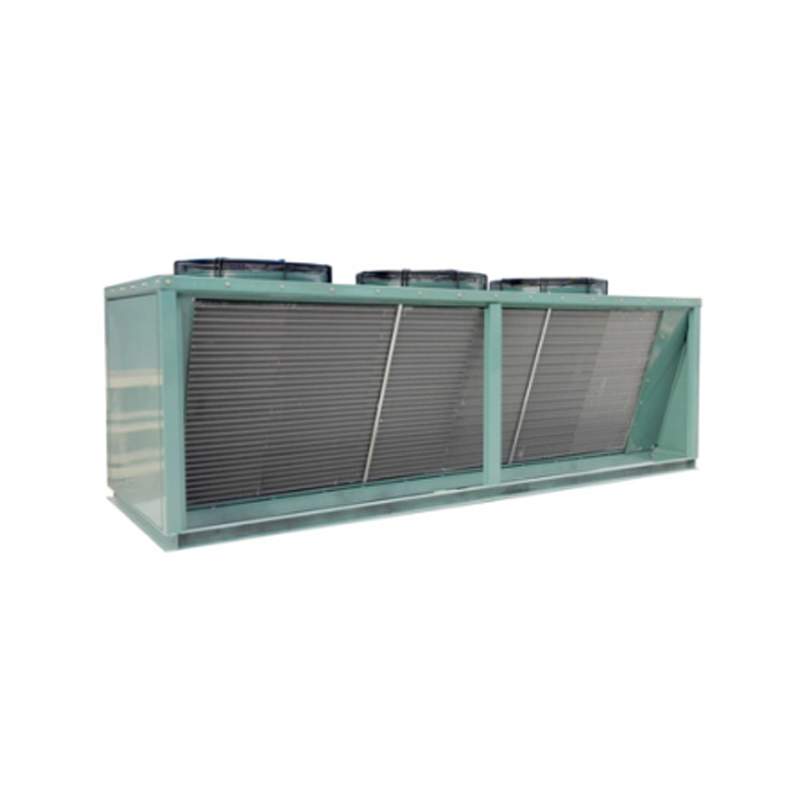
Outdoor refrigeration units come in various styles and configurations. Choosing the right type depends on your application, space, and capacity needs.
Outdoor Fridge vs Outdoor Freezer
An outdoor fridge is ideal for beverages, fresh produce, and chilled items, while an outdoor freezer is designed for frozen goods such as ice cream, meat, and pre-prepared meals.
Under-Counter Outdoor Refrigerator
These are compact, built-in units commonly used in outdoor kitchens, poolside bars, or patio areas. They are designed to fit under countertops and offer easy access while saving space.
Outdoor Beverage Cooler
This type is typically used for bars, restaurants, or outdoor events where quick access to drinks is essential. They often come with glass doors for display and high-capacity storage.
Outdoor Commercial Refrigeration Unit
For large-scale operations, commercial refrigeration units provide higher capacity, stronger compressors, and more advanced temperature control.
Built-in vs Freestanding Outdoor Refrigeration
- Built-in units are integrated into outdoor cabinetry or countertops and offer a seamless look.
- Freestanding units are more flexible and can be moved or relocated as needed.
How Refrigeration Units Work
To understand how an refrigeration unit works, it helps to know the basics of the refrigeration cycle:
Refrigeration Cycle Basics
The refrigeration cycle consists of:
- Compression – The compressor compresses refrigerant gas, increasing its temperature.
- Condensation – The hot gas releases heat in the condenser, turning into liquid.
- Expansion – The liquid refrigerant expands, lowering its temperature.
- Evaporation – The cold refrigerant absorbs heat from the interior, cooling the unit.
Compressor and Condenser Design for Outdoor Use
Outdoor refrigeration units typically use more powerful compressors and larger condensers to handle high ambient temperatures. This ensures stable cooling performance even during hot summer days.
Insulation, Sealing, and Temperature Control
Outdoor units require high-quality insulation and strong sealing to prevent heat gain and moisture infiltration. Modern units often feature digital thermostats and smart temperature control for precision.
Key Features to Look for in a High-Quality Outdoor Refrigeration Unit
When selecting an refrigeration unit, pay attention to these critical features:
Stainless Steel Construction and Anti-Corrosion Coating
Outdoor environments can cause rust and corrosion quickly. High-quality units use 304 or 316 stainless steel and protective coatings to ensure long-term durability.
Energy Efficiency and Low Power Consumption
Energy-efficient models reduce operating costs and have lower environmental impact. Look for units with high-efficiency compressors, better insulation, and smart defrost systems.
Temperature Range and Stability
A good outdoor refrigeration unit maintains consistent temperatures even when outdoor conditions fluctuate. This is essential for food safety and beverage quality.
Noise Level and Vibration Control
Commercial settings require quiet operation. High-quality units include vibration-reducing mounts and sound-insulating design.
Digital Control Panel and Smart Features
Modern units often include:
- Digital thermostats
- Remote monitoring
- Alarm systems for temperature deviations
- Energy-saving modes
Why Choose a Manufacturer-Direct Outdoor Refrigeration Unit
As a manufacturer, we provide several advantages that benefit customers directly:
Cost Advantage and Better Pricing
Buying direct from the manufacturer eliminates middlemen and reduces overall costs. This makes refrigeration units more affordable for restaurants, bars, and commercial projects.
Customization Options
Manufacturer direct purchase allows for:
- Customized size and capacity
- Customized door types (solid or glass)
- Customized color and finish
- Branding and logo options
Quality Control and Warranty Support
Manufacturers have direct control over production quality, testing, and materials. This ensures consistent performance and reliable after-sales service.
Bulk Supply and OEM/ODM Capabilities
For large projects, manufacturers can offer bulk supply, OEM production, and custom design solutions to match specific requirements.
Outdoor Refrigeration Unit Maintenance and Best Practices

Proper maintenance extends the lifespan and ensures optimal performance.
Regular Cleaning and Defrosting Tips
- Clean condenser coils every 3–6 months
- Defrost freezer units regularly to prevent ice buildup
- Use mild detergent and avoid harsh chemicals
Preventing Rust and Corrosion
- Regularly wipe down stainless steel surfaces
- Avoid leaving acidic liquids inside the unit
- Use protective coatings in coastal or humid areas
Seasonal Maintenance for Hot and Cold Climates
Outdoor refrigeration units need different care depending on climate:
- In hot climates, ensure proper ventilation and avoid direct sunlight
- In cold climates, use heater kits or insulation enhancements
Troubleshooting Common Issues
- Not cooling: check refrigerant levels, compressor function, and airflow
- Compressor problems: verify electrical supply and check for overheating
- Moisture and condensation: inspect door seals and drainage
Installation Guide for Outdoor Refrigeration Units
Correct installation is essential for safe and efficient operation.
Location Selection and Ventilation Requirements
- Place the unit in a shaded area when possible
- Ensure at least 2–3 inches of clearance around vents
- Avoid enclosed spaces to prevent overheating
Electrical Safety and Wiring Standards
- Use dedicated circuits for commercial units
- Ensure proper grounding and compliance with local electrical codes
- Avoid extension cords and unstable power sources
Proper Leveling and Support Structure
- Ensure the unit is level to prevent drainage issues
- Use sturdy support structures for built-in installations
Outdoor Kitchen Integration Tips
- Use weatherproof cabinets and protective covers
- Consider airflow paths and avoid blocking vents
- Plan for easy access for cleaning and maintenance
Cost and ROI: Is an Outdoor Refrigeration Unit Worth It?

Outdoor refrigeration units are a long-term investment. While initial costs may be higher than indoor refrigerators, the benefits often outweigh the price.
Initial Investment vs Long-Term Savings
Outdoor units reduce spoilage, improve service speed, and reduce labor costs. In commercial settings, these benefits translate into higher revenue.
Energy Efficiency and Operating Costs
Energy-efficient units reduce monthly electricity bills and have lower total cost of ownership.
Improved Service Speed and Customer Satisfaction
Outdoor refrigeration units allow staff to access chilled items quickly, reducing service time and improving customer experience.
Case Example for Restaurants and Food Trucks
For a restaurant with outdoor seating, adding an outdoor beverage cooler can increase sales during peak hours by reducing staff trips indoors.
Comparison Table: Outdoor Refrigeration Unit Types
| Type | Best For | Key Benefits | Typical Capacity |
|---|---|---|---|
| Outdoor fridge | Beverages & fresh food | Quick access, versatile | 100–400 L |
| Outdoor freezer | Frozen goods | Stable freezing, high capacity | 150–600 L |
| Under-counter refrigerator | Outdoor kitchen | Space-saving, built-in | 80–200 L |
| Outdoor beverage cooler | Bars & events | Display, fast access | 200–500 L |
| Commercial outdoor refrigeration | Large projects | High capacity, robust | 500–2000 L |
Conclusion
Outdoor refrigeration units are a practical, long-term solution for businesses and homeowners who need reliable cooling in open-air environments. As a manufacturer, we understand the importance of durability, energy efficiency, and consistent performance. By choosing the right outdoor refrigeration unit and maintaining it properly, you can reduce operating costs, improve service efficiency, and enhance customer satisfaction.
If you’re looking for a high-quality outdoor refrigeration unit with OEM/ODM customization, contact us today for a quote or product brochure.
FAQ
Q1: Can outdoor refrigeration units work in extreme heat?
Yes, high-quality outdoor refrigeration units are designed to operate efficiently even in high ambient temperatures. They use powerful compressors and enhanced insulation to maintain stable cooling.
Q2: Do outdoor refrigeration units need special wiring?
Commercial outdoor units typically require dedicated circuits and proper grounding. Always follow local electrical codes and avoid using extension cords.
Q3: How long does an outdoor fridge last?
With proper maintenance, a quality outdoor refrigeration unit can last 8–12 years, depending on usage and environment.
Q4: What’s the difference between an outdoor fridge and an outdoor freezer?
Outdoor fridges are for chilled items, while outdoor freezers maintain sub-zero temperatures for frozen goods. The insulation and compressor design differ to support these needs.
Q5: Can I customize an outdoor refrigeration unit for my brand?
Yes, manufacturer direct purchase allows for customization in size, color, door type, and branding options.
