

Table of Contents
Selecting the right high pressure piston compressor is one of the most critical decisions for any factory that relies on stable compressed air for production. Whether the application involves PET bottle blowing, laser cutting, breathing air supply, high-pressure testing, or gas generation, choosing the wrong compressor can lead to energy waste, high maintenance cost, equipment breakdowns, and operational delays.
As a direct manufacturer specializing in industrial high pressure piston compressors, we understand how much pressure stability, structural durability, and long-term performance matter to your daily production. This guide explains everything you need to know—from working principles to core components, buying criteria, maintenance, and application-based selection—so you can confidently choose the best system for your factory.
Understanding What a High Pressure Piston Compressor Is
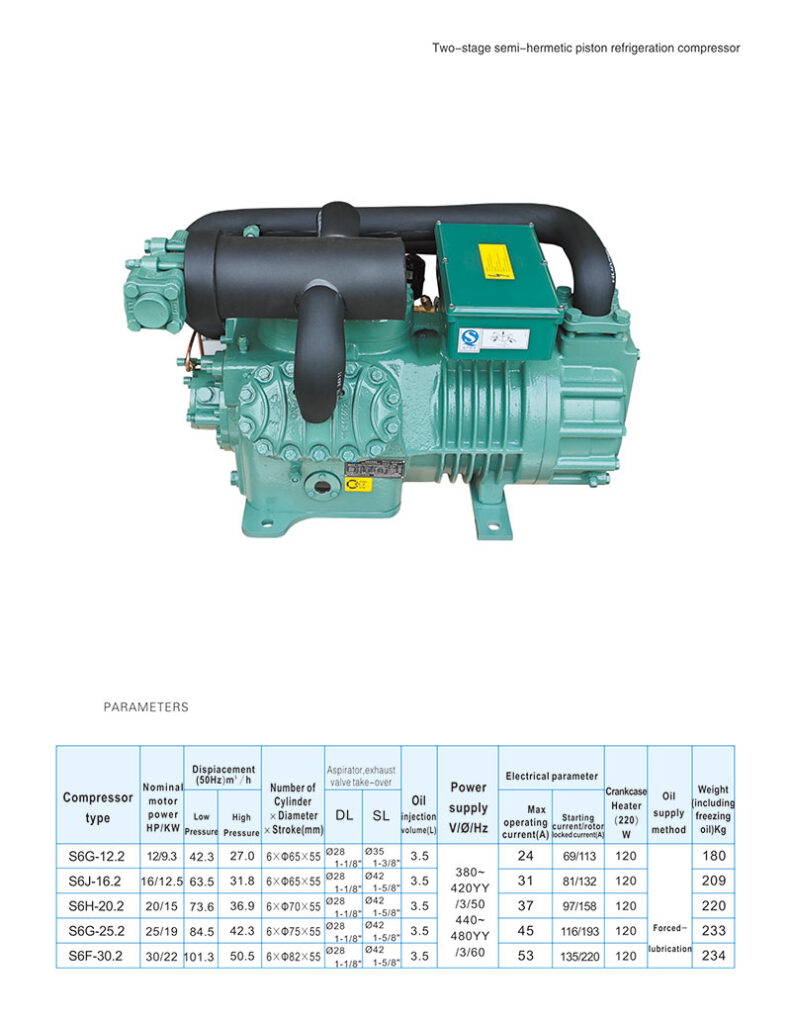
A high pressure piston compressor is a type of reciprocating compressor designed to generate compressed air at significantly higher pressure levels than standard air compressors. While typical shop compressors operate between 8–12 bar, a high pressure piston model can deliver 100 bar, 200 bar, 300 bar, or even higher, depending on the application.
Basic definition and working principle
The compressor uses pistons driven by a crankshaft to compress air within cylinders. As air is drawn in, compressed in stages, and discharged, the system achieves extremely high pressures suitable for industrial processes.
High pressure vs low pressure piston compressors
- Low pressure piston compressors: 8–12 bar
- Medium pressure piston compressors: 40–60 bar
- High pressure piston compressors: 150–400+ bar
Factories requiring nitrogen generation, PET blowing, hydraulic testing, or fire-breathing air must rely on high pressure systems to meet strict performance demands.
Why manufacturers prefer piston compressors in high-pressure environments
Piston compressors have a stronger compression ratio, simpler mechanical design, lower maintenance cost, and significantly higher pressure output compared to screw compressors, making them ideal for heavy-duty industrial users.
Key Factors to Consider Before Selecting a High Pressure Piston Compressor
Choosing the right equipment depends on your factory’s operational requirements. The following criteria should guide every decision.
Required pressure level
Different industries require different pressure levels:
- PET bottle blowing: 20–40 bar
- Laser cutting: 25–30 bar
- Breathing air / firefighting: 300 bar
- Hydraulic and pressure testing: 400+ bar
Make sure the chosen compressor can consistently deliver the rated pressure under full load.
Airflow and capacity
Airflow determines production efficiency. Under-sized airflow results in pressure drops, which impact the stability of downstream machines.
Duty cycle and working hours
Factories running 24/7 require robust components, efficient cooling, and strong lubrication systems.
Single-stage vs multi-stage design
- Single-stage: Lower pressure, simpler construction
- Two-stage or multi-stage: Required for 150–300+ bar operations
Multi-stage high pressure piston compressors deliver better efficiency, less heat, and longer service life.
The Advantages of Using a High Pressure Piston Compressor in Industrial Applications
A properly engineered high pressure compressor offers several advantages beyond pressure output.
Superior efficiency under heavy load
Piston compressors maintain performance even in high-temperature, high-intensity environments.
Long service life
Thicker cylinder walls, precision machining, and stronger crankshafts ensure durability.
Handles extreme operating conditions
Factories with continuous, high-pressure demands benefit from the rugged design of industrial piston compressors.
Cost advantages vs screw compressors
Screw compressors cannot achieve extremely high pressures without boosters. Piston compressors achieve the same pressure independently—reducing both cost and system complexity.
Comparing High Pressure Piston Compressors With Other Compressor Types
Understanding the differences helps ensure you choose the right equipment.
Piston compressor vs screw compressor
- Piston: Higher pressure, lower cost, simpler maintenance
- Screw: Lower pressure, continuous airflow, higher upfront cost
Oil-free vs oil-lubricated piston models
Oil-free is preferred for breathing air or food applications, while oil-lubricated models are ideal for heavy-industrial use.
Booster compressor vs high pressure piston compressor
Boosters increase existing pressure; piston compressors generate high pressure directly.
The Core Components That Determine Compressor Quality
The internal design strongly influences long-term performance.
Cylinder material
High-grade cast iron, steel, or alloy cylinders improve wear resistance and stability.
Cooling system
Efficient cooling is vital to prevent overheating:
- Air-cooled
- Water-cooled
- Hybrid (best for heavy industries)
Valve and sealing design
Reinforced stainless steel valves help maintain pressure and reduce air leakage.
Motor power selection
Correct motor sizing prevents overloading and ensures the compressor achieves full capacity.
Manufacturing Standards and Quality Control Processes
As a manufacturer, strict quality control determines the reliability of each compressor.
Precision machining
Accurate tolerances ensure piston alignment, reduce vibration, and increase durability.
High-pressure performance testing
Each compressor is tested under extreme pressure before shipment to confirm safety and stability.
Long-term reliability validation
Aging tests simulate long-hour heavy-load operation before final approval.
Compliance with international standards
Many users require certifications such as ISO, CE, and safety compliance for high-pressure systems.
Common Problems and Maintenance Tips for High Pressure Piston Compressors
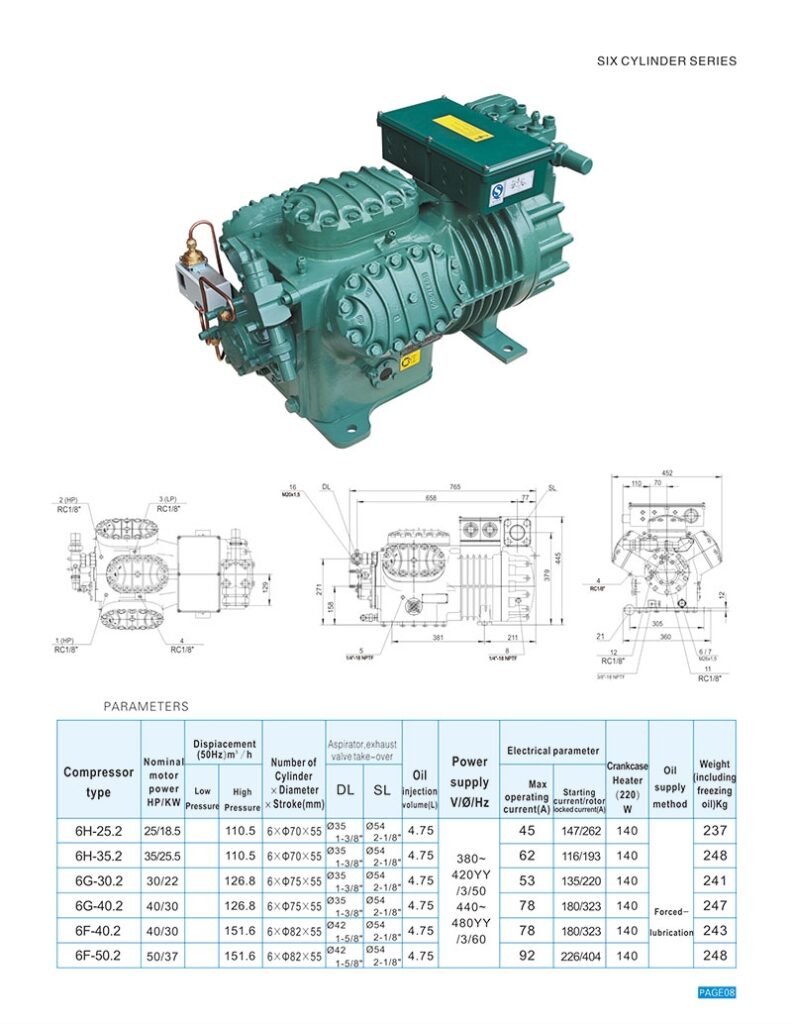
Proper maintenance reduces downtime and increases compressor lifespan.
Overheating prevention
Use correct cooling systems and maintain clean ventilation.
Lubrication requirements
Oil levels must stay within recommended ranges to avoid piston wear.
Air leakage troubleshooting
Common areas include fittings, valves, and hoses.
Extending service life
Routine inspections, timely part replacement, and proper installation dramatically improve longevity.
Best Industrial Applications for High Pressure Piston Compressors
High pressure compressors play essential roles in many fields.
PET bottle blowing
Consistent air supply supports fast bottle production lines.
Laser cutting
High-pressure air improves cutting accuracy and quality.
Firefighting and breathing air
300 bar compressors supply safe, clean air for SCBA systems.
Oil & gas industry
Used for well testing, high-pressure cleaning, and gas compression.
Gas generation systems
Oxygen, nitrogen, and other specialty gases require stable high-pressure inputs.
Why Buying Directly From a High Pressure Piston Compressor Manufacturer Matters
Purchasing from a manufacturer brings important benefits:
Customizable solutions
You can request pressure level, cylinder configuration, cooling method, and motor power based on your application.
Lower pricing and stable supply
Direct factory relationships eliminate middle-agent costs.
Strong technical support
Manufacturers provide installation advice, troubleshooting guidance, and operation training.
Long-term spare parts availability
Ensures stable production and reduces maintenance downtime.
How to Evaluate the Total Cost of Ownership
The purchase price is only part of the total cost. Consider:
| Evaluation Area | Key Considerations | Impact on Cost |
|---|---|---|
| Energy Consumption | Motor efficiency, pressure ratio, cooling performance | 40–60% of long-term cost |
| Maintenance Cost | Valve replacement, lubrication, filters | Lower for piston systems |
| Downtime Loss | Reliability, spare parts availability | Can exceed the purchase cost |
| Installation & Space | Foundation, ventilation, piping | Affects long-term safety |
A well-designed compressor with efficient cooling and stable performance always offers the lowest total cost over its lifetime.
Buying Checklist for High Pressure Piston Compressor Users
Before placing an order, confirm the following:
- Is the rated pressure suitable for your application?
- Is the airflow sufficient for your downstream equipment?
- Does the compressor meet your daily production hours?
- Are maintenance parts easy to replace?
- Does the manufacturer provide technical support and testing certificates?
- Is installation space sufficient for cooling and ventilation?
Conclusion
Choosing the best high pressure piston compressor requires a clear understanding of your pressure needs, airflow requirements, industry application, and operational workload. The right machine ensures consistent performance, lower energy consumption, and long-term reliability. As a direct manufacturer, we focus on structural strength, precision machining, stable pressure design, rigorous testing, and customized solutions to meet the diverse needs of industrial users. By selecting a professionally engineered compressor built for durability and efficiency, your factory can achieve better productivity, reduced maintenance costs, and a stronger competitive advantage in the long run.
FAQ
What is the main difference between a high pressure piston compressor and a standard air compressor?
A standard air compressor usually operates between 8–12 bar and is suitable for general workshop tools. A high pressure piston compressor, however, is designed to reach 100–400+ bar, making it ideal for industrial applications such as PET bottle blowing, laser cutting, breathing air supply, hydraulic testing, and gas generation.
How do I determine the right pressure level for my factory?
Your required pressure level depends on the application:
- PET bottle blowing: 20–40 bar
- Laser cutting: 25–30 bar
- Breathing air (SCBA): 300 bar
- Hydraulic / pressure testing: 350–400+ bar
Always choose a compressor that can consistently deliver pressure under continuous load.
Should I choose an oil-free or oil-lubricated high pressure piston compressor?
- Oil-free compressors are ideal for breathing air, medical use, food packaging, or clean environments.
- Oil-lubricated compressors are preferred for heavy-duty industrial applications because they handle higher loads, offer longer service life, and require less maintenance.
How often should a high pressure piston compressor be maintained?
Basic checks like oil level, air filtration, and cooling performance should be done weekly. Valve inspection, gasket replacement, and cylinder cleaning depend on usage but are typically recommended every 3–6 months for factories running continuously.
