

Table of Contents
Introduction
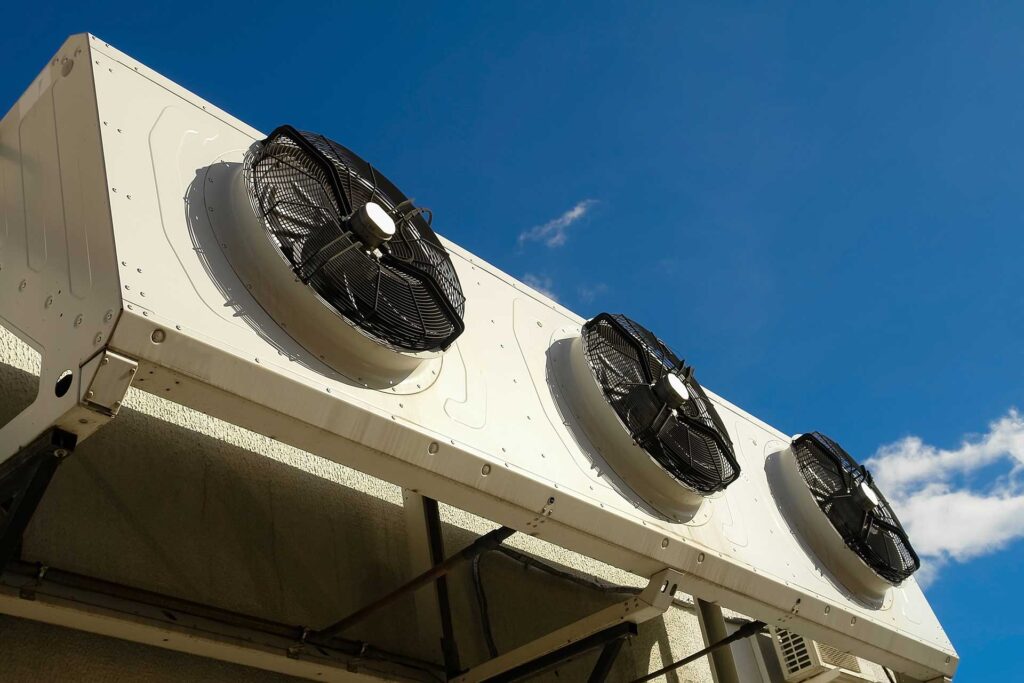
Cold room cooling units are essential components for maintaining precise temperature conditions in storage environments such as food warehouses, pharmaceutical facilities, and industrial refrigeration rooms. As a manufacturer, understanding the design, functionality, and efficiency of these units is crucial not only for production but also for helping your clients make informed purchasing decisions.
A cold room cooling unit ensures consistent temperature and humidity control, protecting perishable products and sensitive materials. Modern units come in a variety of types, sizes, and capacities, making them suitable for small-scale restaurants or large industrial cold rooms. Selecting the right unit can save significant energy costs while maintaining optimal storage conditions.
How Cold Room Cooling Units Operate
The operation of a cold room cooling unit is based on the refrigeration cycle, which involves the coordinated functioning of compressors, condensers, evaporators, and fans. The unit extracts heat from the cold room interior and dissipates it outside, maintaining the desired temperature range.
Temperature control is managed through thermostats or digital controllers, ensuring precise regulation. Energy-efficient designs minimize electricity consumption while maximizing cooling performance.
Common Components of a Cold Room Cooling Unit
- Compressor: Powers the refrigeration cycle, available in scroll, reciprocating, or screw types.
- Evaporator Coil: Absorbs heat from the room, often enhanced with fins for increased surface area.
- Refrigerant: Modern units use eco-friendly refrigerants such as R-134a or R-410A, reducing environmental impact.
- Fans and Motors: Ensure even airflow throughout the cold room, preventing hot spots.
Types of Cold Room Cooling Units
Cold room cooling units vary based on installation style and capacity:
- Wall-mounted units: Ideal for smaller rooms or spaces with limited ceiling height.
- Ceiling-mounted units: Provide better airflow distribution in medium to large cold rooms.
- Modular units: Can be scaled according to room size and are flexible for expansion.
- Custom-built industrial units: Designed for large storage facilities with specialized cooling needs.
Small-scale units are perfect for restaurants or small food storage, while industrial units serve large warehouses and factories.
Selecting the Right Cold Room Cooling Unit
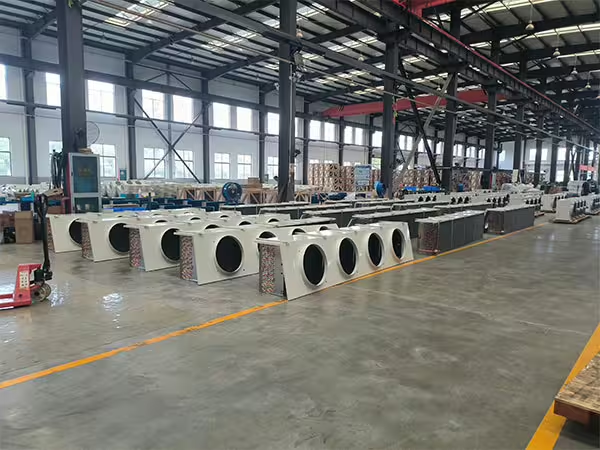
Choosing the correct cold room cooling unit requires careful evaluation of your storage requirements:
- Cooling Load Calculation: Determine the heat load based on room size, insulation, and product types.
- Capacity Requirements: Match unit capacity with the storage area to prevent overworking the compressor.
- Energy Efficiency: Select units designed for low electricity consumption, using advanced fans, compressors, and refrigerants.
Comparing Cold Room Cooling Units
| Unit Type | Ideal Application | Capacity Range | Energy Efficiency | Cost Consideration |
|---|---|---|---|---|
| Wall-mounted | Small restaurants | 0.5 – 2 HP | High | Low |
| Ceiling-mounted | Medium cold rooms | 2 – 5 HP | Moderate | Moderate |
| Modular | Growing warehouses | 3 – 10 HP | High | Moderate |
| Industrial Custom-built | Large industrial facilities | 10 – 50 HP | High | High |
This table helps manufacturers and clients quickly identify the most suitable unit type for their needs.
Installation Best Practices
Proper installation is critical for the long-term performance of cold room cooling units. Steps include:
- Site Preparation: Ensure sufficient space for airflow, proper insulation, and safe electrical connections.
- Mounting and Positioning: Follow manufacturer guidelines to prevent vibration and ensure optimal airflow.
- Ventilation Requirements: Adequate airflow around the condenser prevents overheating and ensures efficient operation.
- Avoiding Common Mistakes: Never block airflow or install units in direct sunlight, which can reduce efficiency.
Maintenance and Troubleshooting
Routine maintenance is essential to extend the lifespan of cold room cooling units and prevent costly downtime.
- Routine Checks: Clean evaporator and condenser coils, inspect refrigerant levels, and check fan operation.
- Common Problems: Temperature fluctuations, ice buildup, and compressor malfunctions are frequent issues that can be resolved with proper preventive maintenance.
- Preventive Strategies: Seasonal inspections, replacing worn-out components, and monitoring performance metrics help maintain optimal functionality.
Energy Efficiency and Cost Savings
Energy consumption is a major operational cost for cold room cooling units. Manufacturers are increasingly focusing on energy-efficient designs, such as:
- Advanced compressors with variable speed drives
- Smart digital controllers for precise temperature management
- High-quality insulation materials to minimize thermal loss
By optimizing these factors, users can significantly reduce energy costs while maintaining consistent storage conditions.
Buying Guide for Cold Room Cooling Units
When purchasing a cold room cooling unit, consider the following factors:
- Key Features: Cooling capacity, energy efficiency, noise levels, and reliability.
- Warranties and Certifications: Ensure compliance with safety standards and choose units with manufacturer support.
- Supplier Selection: Opt for trusted manufacturers who provide installation guidance and after-sales service.
Mini units are ideal for small-scale operations, while industrial units serve large warehouses. Choosing a manufacturer with expertise guarantees high-quality, long-lasting performance.
Future Trends in Cold Room Cooling Technology
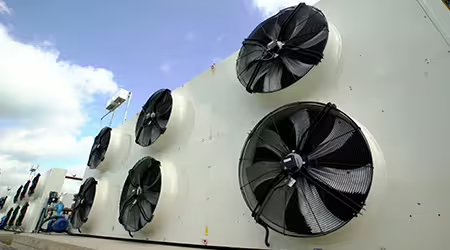
The cold room cooling industry is evolving rapidly, with trends including:
- Smart Technology: IoT-enabled temperature monitoring allows real-time adjustments and predictive maintenance.
- Eco-Friendly Refrigerants: Transitioning to low-GWP refrigerants to reduce environmental impact.
- Energy Optimization: Advanced compressors and variable speed fans reduce electricity consumption.
- Modular and Scalable Solutions: Flexible units allow for easy expansion as storage needs grow.
Manufacturers can leverage these trends to produce units that meet both efficiency and sustainability goals.
Conclusion
Cold room cooling units are vital for preserving perishable goods, maintaining pharmaceutical integrity, and supporting industrial processes. Selecting the right unit involves evaluating cooling capacity, energy efficiency, and application type.
As a manufacturer, offering high-quality, reliable cold room cooling units with proper installation guidance and maintenance tips not only satisfies clients but also positions your company as an industry leader. Investing in energy-efficient, smart, and scalable solutions ensures long-term operational savings while meeting evolving market demands.
FAQ
Q1: What is a cold room cooling unit and how does it work?
A: A cold room cooling unit is a refrigeration system designed to maintain precise temperature conditions in cold storage rooms. It works by circulating refrigerant through compressors, evaporators, and fans to remove heat and keep the room cool.
Q2: How do I choose the right cold room cooling unit for my business?
A: Consider your room size, cooling capacity requirements, insulation quality, and energy efficiency. Industrial operations may need high-capacity units, while small restaurants or stores can use compact or mini units.
Q3: What maintenance is required for a cold room cooling unit?
A: Regular maintenance includes cleaning evaporator and condenser coils, checking refrigerant levels, inspecting fans, and ensuring proper temperature control. Routine checks prevent issues like ice buildup or temperature fluctuations.
Q4: How energy-efficient are modern cold room cooling units?
A: Many modern units are designed with energy-saving compressors, smart digital controllers, and improved insulation. Choosing an energy-efficient cold room cooling unit can significantly reduce electricity costs.
Q5: Can a cold room cooling unit be installed in any type of facility?
A: Yes, but installation requirements vary. Small or wall-mounted units are ideal for restaurants or shops, while ceiling-mounted or industrial units are better for large warehouses. Proper ventilation and adherence to manufacturer guidelines are essential.
