

Table of Contents
Introduction
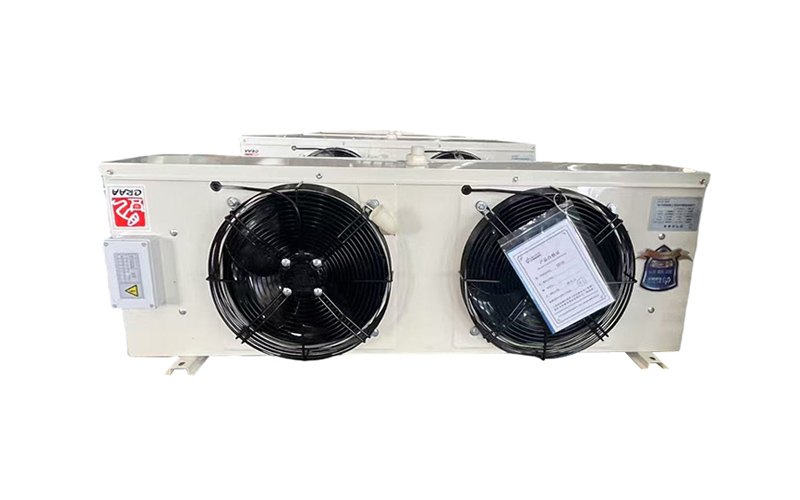
In today’s fast-paced commercial and industrial sectors, reliable refrigeration systems are crucial for preserving products, maintaining operational efficiency, and reducing energy costs. Whether you run a restaurant, supermarket, or cold storage facility, choosing the right refrigeration unit suppliers can make a significant difference in your business performance. As a manufacturer of high-quality refrigeration units, we understand the challenges businesses face when selecting suppliers. This guide will help you identify the best suppliers and make informed decisions for long-term success.
Why Choosing the Right Refrigeration Unit Supplier Matters
Selecting a reliable supplier ensures that your refrigeration units deliver consistent performance, durability, and energy efficiency. Poor-quality equipment or unreliable support can lead to increased downtime, costly repairs, and product losses. Working with professional refrigeration unit suppliers provides peace of mind, ensuring timely deliveries, proper installation, and comprehensive after-sales service.
Direct collaboration with a manufacturer also allows businesses to access customized solutions tailored to their unique operational requirements, which is especially important for commercial kitchens, supermarkets, and industrial cold storage facilities.
Types of Refrigeration Units and Supplier Specializations
Refrigeration needs vary across industries, and suppliers often specialize in specific categories. Understanding these differences will help you find the best match for your business:
- Commercial Refrigeration Units: Ideal for restaurants, hotels, and retail spaces, these units are designed for daily heavy-duty use while maintaining consistent temperatures.
- Industrial Refrigeration Units: Suitable for factories, food processing plants, and cold storage warehouses, industrial units prioritize capacity, reliability, and efficiency.
- Cold Storage Units: Large-scale storage solutions that require precise temperature control for perishable products.
- Custom Refrigeration Units: Tailored solutions for businesses with unique requirements, including specific dimensions, energy efficiency standards, or integrated monitoring systems.
By identifying the type of refrigeration unit you need, you can narrow down suppliers that specialize in that area and ensure a better fit.
Key Factors to Consider When Selecting Refrigeration Unit Suppliers
Choosing the right supplier involves evaluating several critical factors:
- Product Quality and Certification: Ensure suppliers offer units that meet international standards such as ISO, CE, or energy efficiency certifications.
- Manufacturing Capacity and Lead Times: Reliable suppliers should meet your required volume without compromising quality.
- After-Sales Support: Technical assistance, maintenance services, and spare parts availability are essential for long-term operations.
- Pricing and Value: Compare cost versus performance to ensure you get the best return on investment.
- Reputation and Client References: Check previous projects, client testimonials, and case studies to gauge supplier reliability.
Advantages of Working Directly with a Manufacturer

Collaborating with a manufacturer rather than a third-party distributor brings several benefits:
- Custom Solutions: Access to tailor-made refrigeration units that fit your exact operational needs.
- Guaranteed Quality: Direct control over manufacturing ensures consistent standards.
- Cost Savings: Eliminates intermediary markups, reducing overall procurement costs.
- Fast Response: Direct communication allows quicker technical support and troubleshooting.
Manufacturers like us prioritize building long-term partnerships, providing businesses with reliable refrigeration solutions and ongoing support.
How to Compare Refrigeration Unit Suppliers
| Factor | What to Consider | Why It Matters |
|---|---|---|
| Price | Unit cost, installation, and shipping fees | Determines overall ROI |
| Product Range | Types of units offered | Ensures they meet your specific needs |
| Certifications & Compliance | ISO, CE, energy efficiency ratings | Confirms reliability and safety |
| After-Sales Support | Warranty, spare parts, technical assistance | Minimizes downtime and repair costs |
| Delivery Time | Lead times and logistics | Impacts project planning and operations |
| Client Reviews & References | Past customer experiences | Reflects supplier credibility and trust |
Using such a comparison table helps businesses make data-driven decisions, ensuring they choose a supplier that aligns with operational and budgetary goals.
Common Mistakes to Avoid When Choosing Suppliers
Even experienced businesses sometimes make errors during supplier selection. Common mistakes include:
- Focusing solely on price without evaluating quality or service.
- Ignoring after-sales support and spare parts availability.
- Overlooking supplier certifications or industry experience.
- Selecting units without confirming they fit operational needs and space constraints.
Avoiding these pitfalls ensures that your investment in refrigeration units is safe and effective for years to come.
Tips for Maintaining Long-Term Supplier Relationships
Establishing a strong partnership with your refrigeration unit suppliers ensures smooth operations and continuous support. Key tips include:
- Maintaining clear and transparent communication.
- Regularly reviewing supplier performance and service quality.
- Considering long-term contracts or bulk purchases to secure better terms.
- Collaborating on custom projects and product innovations.
Strong relationships often lead to faster support, priority delivery, and access to the latest technology and equipment.
Emerging Trends in Refrigeration Units and Supplier Services

The refrigeration industry is evolving with technology and sustainability trends:
- Energy-Efficient Units: Reduce operational costs while meeting environmental regulations.
- Smart Refrigeration Systems: IoT-enabled units allow remote monitoring, alerts, and predictive maintenance.
- Sustainable Materials: Eco-friendly construction reduces environmental impact.
- Supplier Innovation: Modern suppliers offer integrated services, including installation, monitoring, and maintenance packages.
Staying updated on these trends helps businesses choose suppliers that can provide cutting-edge and future-ready solutions.
Conclusion
Selecting the right refrigeration unit suppliers is crucial for operational efficiency, cost management, and long-term reliability. Businesses benefit from choosing professional, experienced manufacturers who provide high-quality units, technical support, and customized solutions. By considering product quality, supplier reputation, service, and emerging industry trends, you can make an informed decision that enhances your business performance.
For businesses seeking reliable, energy-efficient, and customized refrigeration solutions, partnering directly with a manufacturer ensures quality, consistent supply, and long-term value.
FAQ
Q1: What are refrigeration unit suppliers?
A: Refrigeration unit suppliers are companies or manufacturers that provide commercial, industrial, or custom refrigeration units to businesses. They offer products, technical support, and after-sales services to ensure reliable cooling solutions.
Q2: How do I choose the right refrigeration unit suppliers?
A: Consider factors such as product quality, certifications, manufacturing capacity, after-sales support, client reviews, and pricing. Working directly with a manufacturer can also ensure customized solutions and consistent quality.
Q3: Why should I work with a manufacturer instead of a distributor?
A: Manufacturers provide direct access to high-quality, custom refrigeration units, reduce intermediary costs, offer better technical support, and ensure faster response times for maintenance or troubleshooting.
Q4: What types of refrigeration units do suppliers typically offer?
A: Suppliers usually offer commercial refrigeration units for restaurants and retail, industrial units for factories and cold storage, and custom units designed for specific operational needs.
Q5: How can I compare refrigeration unit suppliers effectively?
A: Compare suppliers based on price, product range, certifications, after-sales support, delivery time, and client references. Creating a comparison table can help make an informed decision.
