

In modern cold chain logistics and temperature-controlled storage systems, the demand for stable, efficient, and space-saving cooling solutions continues to grow. As a manufacturer specializing in industrial refrigeration equipment, we focus on designing and producing high-performance compact refrigeration units that meet the real operating needs of cold room storage applications across different industries.
This article explains how compact refrigeration systems work, where they are used, and what factors matter when selecting the right solution for your cold storage project.
Table of Contents
What Is a Compact Refrigeration Unit and Why It Matters in Cold Room Storage
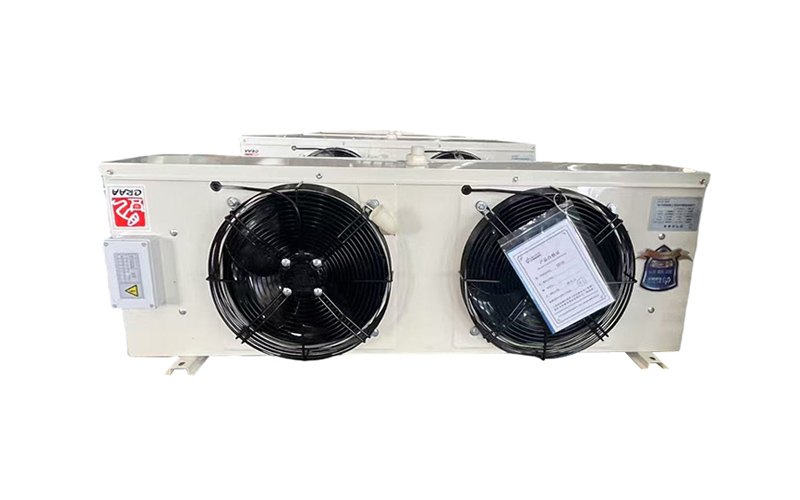
A compact refrigeration unit is an integrated cooling system designed to provide efficient temperature control in a limited installation space. Unlike traditional split refrigeration systems, it combines major components—compressor, condenser, evaporator, and control system—into a single optimized structure.
In cold room storage applications, this compact design helps reduce installation complexity while maintaining stable cooling performance. It is widely used in food storage, pharmaceutical warehouses, and logistics facilities where consistent temperature is critical.
Compared with conventional refrigeration setups, a compact refrigeration system offers:
- Easier installation and maintenance
- Reduced piping and external components
- Faster deployment for cold storage projects
- Better space utilization inside facilities
How Compact Refrigeration Units Work in Cold Storage Environments
The working principle of a compact refrigeration unit is based on the standard vapor compression cycle. The system absorbs heat from the cold room and releases it outside through continuous refrigerant circulation.
The main process includes:
- Compression of refrigerant gas by the compressor
- Heat release through the condenser
- Expansion and cooling through the expansion valve
- Heat absorption inside the evaporator
This cycle ensures that the cold room maintains a stable temperature regardless of external environmental changes.
Common refrigerants used in compact refrigeration systems include R134a, R404A, and R507, depending on temperature requirements and industry standards.
Key Features of a High-Performance Compact Refrigeration Unit
A well-designed compact refrigeration unit must balance efficiency, durability, and ease of operation. In industrial applications, performance stability is more important than just cooling speed.
Key features include:
- High-efficiency compressor system
- Integrated compact structure for space-saving installation
- Stable temperature control under continuous operation
- Low noise performance suitable for commercial environments
- Corrosion-resistant materials for long service life
Modern systems also include intelligent control modules that allow precise temperature adjustment and monitoring.
Applications of Compact Refrigeration Unit for Cold Room Storage
Compact refrigeration units are widely used across industries where temperature control is critical. Their flexibility makes them suitable for both small and large-scale cold storage systems.
Typical applications include:
- Food processing and frozen storage facilities
- Pharmaceutical cold chain warehouses
- Seafood and meat preservation rooms
- Beverage distribution centers
- Commercial supermarket cold rooms
- Logistics and transportation cold storage systems
Each application requires different temperature ranges and system configurations, which is why customization is often necessary in industrial projects.
Compact Refrigeration Unit Design Advantages for Modern Facilities

One of the main reasons compact refrigeration units are increasingly popular is their optimized structural design. Instead of requiring separate components installed across a facility, everything is integrated into a single system.
Advantages include:
- Reduced installation space requirements
- Lower overall system complexity
- Faster setup and commissioning
- Flexible adaptation to different cold room sizes
- Lower long-term maintenance requirements
This makes compact refrigeration systems especially suitable for businesses looking to reduce construction time and operational costs.
Energy Efficiency and Performance Optimization in Compact Refrigeration Systems
Energy consumption is a key concern in industrial refrigeration. A well-optimized compact refrigeration unit is designed to reduce energy usage while maintaining consistent cooling output.
Modern energy-saving technologies include:
- Variable-speed compressors
- Optimized heat exchange structures
- Intelligent temperature control systems
- Efficient airflow design inside evaporators
These improvements help reduce operational costs and improve overall system performance, especially in 24/7 cold storage environments.
How to Choose the Right Compact Refrigeration Unit for Cold Room Storage
Selecting the right refrigeration system depends on multiple technical and operational factors. Incorrect sizing or configuration can lead to inefficiency and increased costs.
Below is a simple comparison guide:
| Factor | Small Cold Room | Medium Cold Room | Large Industrial Storage |
|---|---|---|---|
| Cooling Capacity | Low | Medium | High |
| Compressor Type | Standard | High-efficiency | Industrial-grade |
| Temperature Range | 0°C to -10°C | -10°C to -25°C | -25°C and below |
| Energy Consumption | Low | Medium | Optimized systems required |
| Application | Retail, small storage | Food processing | Logistics, cold chain |
Key selection considerations:
- Required temperature range
- Storage volume and load
- Type of stored products
- Operating environment conditions
Compact Refrigeration Unit Maintenance and Service Life Extension
Proper maintenance plays a key role in ensuring long-term performance and system reliability. Even high-quality compact refrigeration systems require regular inspection.
Recommended maintenance practices include:
- Cleaning condenser and evaporator coils
- Checking refrigerant pressure levels
- Inspecting compressor operation
- Monitoring electrical control systems
- Ensuring proper airflow circulation
Preventive maintenance not only extends equipment lifespan but also improves energy efficiency and reduces unexpected downtime.
Why Choose a Manufacturer-Direct Compact Refrigeration Unit Supplier
As a manufacturer, we understand that buyers are not only looking for equipment—they are looking for stable performance, technical support, and long-term reliability.
Working directly with a factory provides several advantages:
- Competitive factory pricing without middle layers
- OEM and custom design capabilities for different industries
- Strict quality control during production and testing
- Stable supply capacity for global projects
- Technical support from engineering teams
Every refrigeration unit undergoes performance testing before shipment to ensure it meets operational requirements in real cold room environments.
Industry Trends of Compact Refrigeration Units in Cold Storage Systems

The refrigeration industry is evolving rapidly due to energy regulations, automation, and increasing demand for cold chain infrastructure.
Key trends include:
- Increased demand for energy-efficient refrigeration systems
- Shift toward modular and compact cold room solutions
- Integration of IoT-based monitoring systems
- Use of environmentally friendly refrigerants
- Greater focus on long-term operational efficiency
These developments are shaping the future of compact refrigeration technology and pushing manufacturers to innovate continuously.
Conclusion
Compact refrigeration units have become an essential part of modern cold room storage applications, offering a balance of efficiency, flexibility, and reliability. Their compact design simplifies installation, reduces operational costs, and ensures stable temperature control across different industrial environments.
As a manufacturer focused on industrial refrigeration systems, our goal is to deliver solutions that meet real-world application needs—from food storage to pharmaceutical cold chain logistics. With increasing global demand for efficient cold storage systems, compact refrigeration technology will continue to play a critical role in supporting modern supply chains and temperature-sensitive industries.
FAQ
Q1: What is a compact refrigeration unit used for in cold room storage?
A compact refrigeration unit is used to maintain stable low temperatures in cold rooms, ensuring safe storage of food, pharmaceuticals, seafood, and other temperature-sensitive products.
Q2: How does a compact refrigeration unit work?
It works through a vapor compression cycle, where the compressor circulates refrigerant through the condenser, expansion valve, and evaporator to absorb and remove heat from the cold room.
Q3: What are the main advantages of a compact refrigeration unit?
The main advantages include space-saving design, easier installation, lower maintenance requirements, and efficient cooling performance for industrial and commercial cold storage applications.
Q4: How do I choose the right compact refrigeration unit for my cold room?
You should consider cold room size, required temperature range, product type, cooling capacity, and energy efficiency to ensure the system matches your storage needs.
Q5: Is a refrigeration unit suitable for industrial cold storage systems?
Yes, refrigeration units are widely used in industrial cold storage, including logistics warehouses, food processing facilities, and pharmaceutical storage due to their reliability and efficiency.
