

Table of Contents
Water cooled condenser water quality determines whether the circuit tends toward mineral scale, corrosion, biological growth, or suspended-solids deposition. Adequate pump flow does not guarantee clean heat-transfer surfaces. A thin deposit can add thermal resistance, while corrosive water can damage tubes, heads, and piping even when the condenser initially performs well.
Management begins with representative testing and a treatment plan for the actual materials and water source. It then controls concentration, flow, filtration, microbiological risk, and discharge while trending condenser approach and pressure drop. This guide frames water cooled condenser water quality as an operating program rather than a one-time chemical purchase.
Sample the Water the Condenser Actually Receives
Test makeup water, circulating water, and relevant return points instead of relying on a generic municipal report. Sampling location, flushing, container, preservation, and timing affect results. Water cooled condenser water quality can change seasonally and when a well, process stream, or makeup source changes.
A competent laboratory or water-treatment specialist should select parameters for the system. They may include hardness, alkalinity, pH, conductivity, chlorides, sulfates, metals, suspended solids, and microbiological indicators. Record whether the sample came from a stagnant branch or a fully circulating line, and do not compare inconsistent sampling methods as if they formed a trend. The USGS water-hardness resource explains calcium and magnesium hardness, but a complete water cooled condenser water quality evaluation is broader.

Control Concentration in Open Recirculating Systems
Cooling towers evaporate water and leave many dissolved constituents behind. Makeup replaces volume, while bleed removes concentrated water. Define cycles of concentration and conductivity control from the treatment program, source-water chemistry, discharge limits, and equipment materials. Uncontrolled concentration can turn acceptable makeup into scaling or corrosive circulating water.
Verify makeup meter, bleed operation, conductivity sensor calibration, overflow, drift control, and treatment feed. Water cooled condenser water quality cannot be managed from a controller setpoint if the sensor is fouled or installed where it does not represent the circulating loop.
Balance Scale and Corrosion Risk
A treatment change that reduces scale may increase corrosion, and aggressive corrosion control may introduce other compatibility or discharge considerations. Evaluate tube, shell, head, piping, pump, seal, gasket, coating, and brazed or welded materials together. Water cooled condenser water quality targets must suit the complete wetted system.
Inspect for pitting, general wall loss, erosion-corrosion patterns, galvanic couples, under-deposit corrosion, and coating failure. Do not claim that one pH or hardness number is universally safe. The ASHRAE Handbook provides recognized water-system and refrigeration context; final limits come from project materials and treatment expertise.
Manage Biological Growth as a Health and Heat-Transfer Issue
Biofilm can insulate surfaces, trap solids, promote under-deposit corrosion, and affect cooling-tower health risk. The water-management program should address system design, operation, monitoring, control limits, corrective actions, and records. Water cooled condenser water quality work must not treat visible slime as the only evidence of biological activity.
The U.S. CDC provides an official cooling tower water-management toolkit for controlling Legionella risk. Follow applicable public-health, occupational, and environmental requirements and use qualified specialists. Chemical handling needs safety data, training, containment, and controlled dosing.
| Evidence | What it can indicate | Program response |
|---|---|---|
| Conductivity rises above control band | Excess concentration or failed bleed | Verify sensor, makeup, and bleed before dosing changes |
| Approach temperature increases | Fouling, low flow, load change, or measurement error | Compare flow, load, temperatures, and inspection |
| Water-side pressure drop increases | Deposits, blockage, or valve/strainer issue | Inspect strainers and tube passages |
| Pitting or metal in samples | Corrosion or erosion mechanism | Review chemistry, velocity, materials, and inhibitor |
| Biofilm evidence | Microbiological control failure | Apply water-management corrective procedure |
Keep Flow, Strainers, and Side-Stream Removal in the Program
Low velocity encourages deposition and weak heat transfer; excessive velocity increases pressure loss and may contribute to erosion. Check design flow and differential pressure at the shell and tube condenser, not just pump status. Water cooled condenser water quality and hydraulics interact because solids settle where flow is weak.
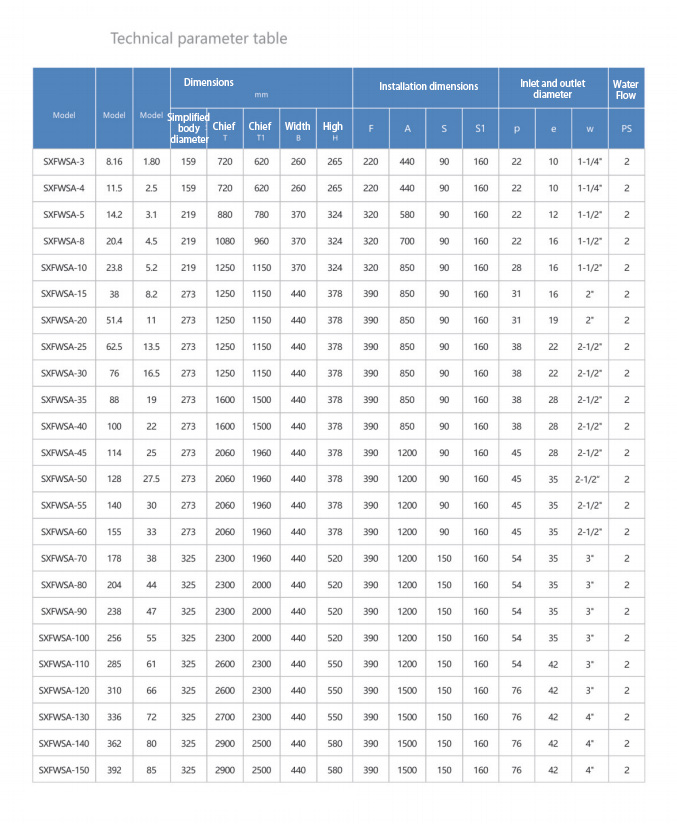
Inspect strainers, separators, basin condition, side-stream filtration where used, and dead legs. Record what material is removed. The shell and tube condenser selection guide explains flow and pressure-drop design, while the water-cooled condensing unit guide connects those values to refrigeration performance.

Trend Thermal Approach Under Comparable Load
Monitor entering and leaving water temperatures, refrigerant condensing temperature, water flow, pressure drop, load, and treatment readings. Compare similar conditions. A rising approach can signal fouling, but warmer entering water or lower flow can change the same measurement. Water cooled condenser water quality decisions need the entire operating context.
Use correct refrigerant property data such as NIST REFPROP when deriving saturation temperature. Set alert and action levels from equipment and engineering requirements. Trending provides an early signal before a severe pressure increase forces emergency cleaning.
Coordinate Cleaning With Water Treatment
When deposits require removal, identify them before selecting mechanical or chemical methods. The shell and tube condenser cleaning plan describes isolation, tube protection, inspection, and verification. After cleaning, revise water cooled condenser water quality controls if the root cause was concentration, filtration, biological growth, or incompatible treatment.
Apply lockout and pressure isolation according to site procedures and the OSHA hazardous-energy standard. If refrigeration boundaries are disturbed, use qualified practice and EPA equipment guidance. Waste and discharge must follow applicable requirements.
Maintain a Water-Management Record
Record source and circulating analyses, sampling methods, controller calibration, makeup and bleed, treatment additions, microbiological actions, inspections, corrosion evidence, cleaning, flow, pressure drop, and thermal trend. A water cooled condenser water quality log should show why an adjustment was made and whether it worked. Assign responsibility for sampling, alarm review, chemical inventory, and corrective action so water cooled condenser water quality does not become an unowned task between refrigeration and facility teams.
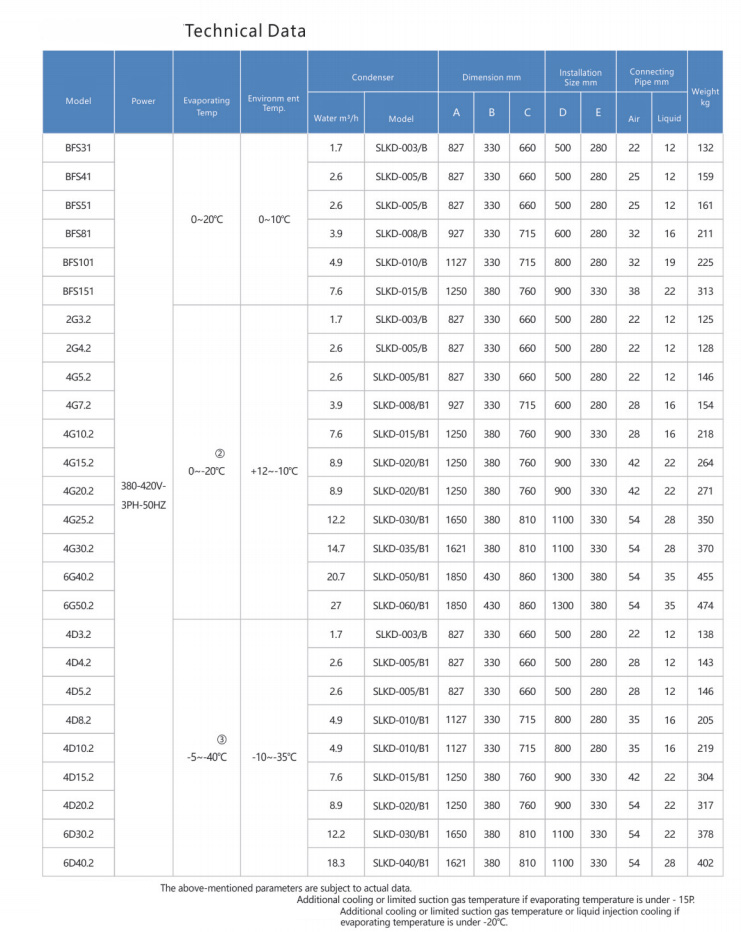
For equipment review, send condenser model, materials, water source, laboratory results, temperatures, flow, pressure drop, treatment history, and deposit photographs through the contact page. Include sampling dates, operating state, makeup changes, and the exact tube or head material. Water cooled condenser water quality limits cannot be selected responsibly from condenser capacity alone. A written review should distinguish equipment compatibility from the site treatment provider’s health, environmental, and chemical-control responsibilities.
Frequently Asked Questions
Is municipal water automatically suitable?
No. Test the actual source and circulating loop. Water cooled condenser water quality depends on chemistry, concentration, materials, and operating conditions.
Does high hardness always require the same treatment?
No. Water cooled condenser water quality control also depends on alkalinity, pH, temperature, concentration, materials, and discharge requirements.
Why measure conductivity?
Conductivity can support concentration control when calibrated and interpreted within the treatment program, but it does not fully describe water cooled condenser water quality.
Can treatment replace tube cleaning?
Treatment prevents or slows problems; existing deposits may still require compatible cleaning. Use water cooled condenser water quality evidence to choose the action.
Which data should be trended?
Trend chemistry, makeup, bleed, flow, water temperatures, condensing temperature, pressure drop, treatment actions, and inspection results for water cooled condenser water quality.
