

Table of Contents
Introduction

Air cooled condensing units have become a cornerstone of modern industrial and commercial refrigeration systems. As the demand for efficient cooling solutions continues to grow, understanding the role and benefits of these units is essential for businesses looking to optimize performance. Air cooled condensing units operate by dissipating heat from the refrigerant into the surrounding air, eliminating the need for water-based cooling systems. This makes them highly versatile, environmentally friendly, and suitable for a wide range of applications, from large-scale food storage facilities to commercial HVAC systems.
How Air Cooled Condensing Units Work
The operation of an air cooled condensing unit is straightforward but highly effective. The system includes a compressor, condenser coil, fan, and refrigerant lines. The refrigerant absorbs heat from the cooled space, compresses, and releases this heat through the condenser coil. The fan enhances airflow across the coils, maximizing heat transfer. Unlike water cooled systems, these units do not rely on circulating water, which simplifies installation and maintenance while reducing environmental impact.
Understanding the differences between air cooled and water cooled systems is crucial. Air cooled units are ideal for spaces where water resources are limited or where simpler maintenance is preferred. They also provide flexibility in terms of installation location since they do not require water connections or large cooling towers.
Key Benefits of Air Cooled Condensing Units
Energy Efficiency and Cost Savings
Modern air cooled condensing units are designed to optimize energy consumption while maintaining reliable cooling performance. Advanced fan designs, variable speed controls, and high-efficiency compressors reduce electricity usage without compromising output.
Space-Saving and Easy Installation
Air cooled units are compact and can be installed outdoors or in confined spaces. This flexibility allows businesses to integrate them into existing facilities without major modifications.
Low Maintenance Requirements
With no water loops to manage, air cooled units are simpler to maintain. Regular cleaning of coils and periodic inspections are usually sufficient to keep the system running efficiently for years.
Environmental Advantages
By eliminating water usage and supporting eco-friendly refrigerants, these units contribute to sustainable operations. Reduced water consumption is particularly valuable in regions facing water scarcity.
Applications Across Industries
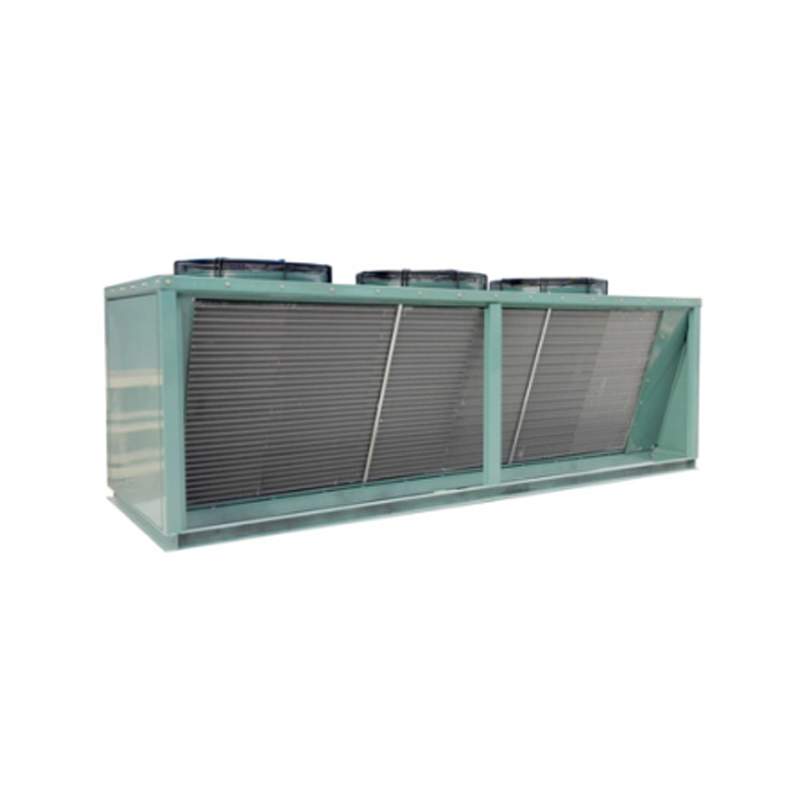
Air cooled condensing units serve a variety of industrial and commercial purposes:
- Commercial Refrigeration: Supermarkets, convenience stores, and restaurants rely on these units to maintain product quality and safety.
- Industrial Operations: Food processing plants, chemical manufacturing facilities, and cold storage warehouses benefit from consistent temperature control and high efficiency.
- Commercial Buildings: HVAC systems in offices, hospitals, and educational facilities utilize these units to maintain indoor comfort.
Case studies demonstrate the versatility of air cooled units in real-world applications. For instance, large cold storage facilities have achieved significant energy savings by replacing outdated systems with high-efficiency air cooled condensing units.
Choosing the Right Air Cooled Condensing Unit
Selecting the ideal unit requires careful consideration of several factors:
- Capacity and System Compatibility: Units must match the cooling requirements of the facility to avoid inefficiencies.
- Modular vs. Standard Units: Modular units allow scalability and flexibility for growing operations, while standard units offer simplicity and reliability.
- Energy Efficiency: Investing in energy-efficient condensing units ensures long-term savings and reduces environmental impact.
- Manufacturer Expertise: Partnering with an experienced manufacturer guarantees access to tailored solutions and technical support.
Installation and Maintenance Guidelines
Proper installation is critical for optimal performance. Units should be installed in well-ventilated locations to ensure adequate airflow. Routine maintenance includes cleaning coils, checking refrigerant levels, inspecting fans, and monitoring system performance. Neglecting maintenance can lead to reduced efficiency, higher energy consumption, and premature equipment failure. Regular preventive care significantly extends the lifespan of air cooled condensing units.
Energy Efficiency and Performance Optimization
Maximizing energy efficiency involves more than just choosing a high-performance unit. Businesses can integrate air cooled units with advanced monitoring systems, variable frequency drives, and intelligent control solutions. Seasonal adjustments, such as regulating fan speed and managing load distribution, also enhance performance. Implementing these strategies can result in measurable reductions in energy consumption while maintaining consistent cooling.
Cost Considerations and ROI
While avoiding specific pricing, it is essential to consider the long-term value of air cooled condensing units. High-efficiency systems reduce operational costs over time through lower energy consumption and minimal maintenance requirements. Businesses benefit from reduced downtime, extended equipment life, and improved sustainability metrics. The right selection balances capacity, efficiency, and operational requirements to maximize return on investment.
Future Trends in Air Cooled Condensing Units

The industry is evolving with innovations focused on efficiency, sustainability, and digital integration. Emerging technologies include eco-friendly refrigerants, smart monitoring systems, and modular designs that enhance scalability. These advancements position air cooled condensing units as essential solutions for modern refrigeration challenges, addressing both environmental concerns and operational efficiency.
Conclusion
Air cooled condensing units provide an effective, reliable, and sustainable solution for industrial and commercial refrigeration needs. Their energy efficiency, low maintenance, and versatile applications make them a strategic investment for businesses seeking performance optimization. Partnering with a knowledgeable manufacturer ensures access to advanced solutions tailored to specific operational requirements. By integrating these units into modern facilities, businesses can achieve enhanced efficiency, reduced environmental impact, and long-term operational benefits.
FAQ
What is an air cooled condensing unit?
An air cooled condensing unit is a refrigeration system that releases heat from the refrigerant into the surrounding air, providing efficient cooling without the need for water-based systems.
How do air cooled condensing units differ from water cooled systems?
Unlike water cooled units, air cooled condensing units use fans to transfer heat directly into the air, simplifying installation and reducing water consumption.
What industries commonly use air cooled condensing units?
They are widely used in commercial refrigeration, food processing, cold storage, and HVAC systems for industrial and commercial buildings.
How can I maintain my air cooled condensing unit for long-term efficiency?
Regular maintenance includes cleaning condenser coils, checking fans and refrigerant levels, and ensuring proper ventilation to keep the unit performing optimally.
Are air cooled condensing units energy efficient?
Yes, modern air cooled units are designed with high-efficiency compressors and smart airflow systems, reducing energy consumption while maintaining reliable cooling.
