

Table of Contents
Introduction
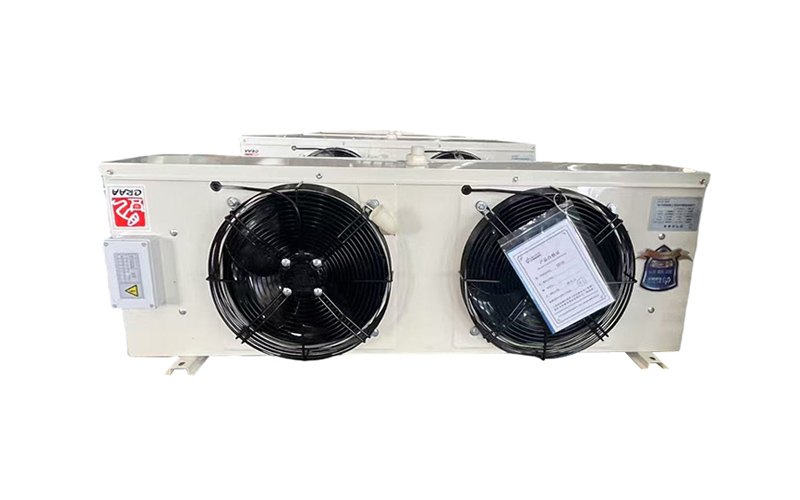
An air cooled unit is a widely used industrial cooling system designed to remove heat from processes, machinery, and facilities using ambient air instead of water. It plays a critical role in modern manufacturing environments where stable temperature control is essential for production efficiency and equipment longevity.
As a professional air cooled unit manufacturer, we develop and supply industrial cooling systems for global clients across plastics, food processing, pharmaceuticals, HVAC engineering, and data centers. This article is also part of our SEO strategy to improve search visibility, attract qualified traffic, and generate high-intent inquiries from potential buyers looking for reliable industrial cooling solutions.
Industrial demand for energy-efficient and low-maintenance cooling systems continues to grow, making air cooled technologies a preferred choice in many applications.
How Air Cooled Unit Systems Work in Industrial Cooling
An air cooled unit operates through a simple but highly efficient thermodynamic cycle. The system absorbs heat from industrial processes and releases it into the surrounding air using a condenser and high-performance fans.
Key working process includes:
- Refrigerant absorbs heat from production equipment
- Compressor increases pressure and temperature of refrigerant
- Air cooled condenser releases heat into ambient air
- Cooling cycle repeats continuously for stable temperature control
Compared to traditional water-based systems, air cooled cooling systems eliminate the need for cooling towers, water treatment, and complex piping networks.
Air Cooled Unit vs Water Cooled System: Key Differences
| Feature | Air Cooled Unit | Water Cooled System |
|---|---|---|
| Cooling Medium | Air | Water |
| Installation Cost | Lower | Higher |
| Maintenance | Simple | Complex |
| Space Requirement | Compact | Larger system layout |
| Water Usage | None | High |
| Best Use Case | Medium to large industry | Large-scale central plants |
Air cooled systems are increasingly preferred for industries that require flexible installation, lower operational cost, and reduced environmental dependency.
Types of Industrial Air Cooled Units
Industrial cooling requirements vary significantly, which is why multiple configurations are available:
- Air cooled chiller units for process cooling
- Modular air cooled refrigeration systems for scalable production
- Packaged air cooled cooling systems for compact installation
- High-capacity industrial cooled units for heavy-duty manufacturing
- OEM customized cooled unit solutions for special engineering projects
Each system is designed based on cooling demand, space limitations, and energy efficiency requirements.
Air Cooled Unit Manufacturing Process Explained
As a factory specializing in industrial cooling equipment, precision manufacturing is critical to system reliability and performance.
Typical production process includes:
- Engineering design and thermal calculation
- Selection of high-grade compressors and heat exchangers
- Coil fabrication and fin processing
- System assembly and structural integration
- Electrical control system installation
- Performance testing and quality inspection
Every air cooled unit is tested under load conditions to ensure stable operation in real industrial environments.
Key Technical Specifications of Air Cooled Units
Air cooled systems are defined by several important technical parameters:
- Cooling capacity: 5RT to 500RT+ depending on application
- Energy efficiency ratio (EER): optimized for low power consumption
- Airflow design: axial or centrifugal fan systems
- Temperature range: precise industrial-grade control
- Noise level: optimized for factory and urban environments
- Control system: PLC or smart digital controller integration
These specifications directly influence system performance and long-term operating cost.
Applications of Cooled Unit in Different Industries
Air cooled systems are widely used across industrial sectors:
- Plastic injection molding machine cooling
- Food processing temperature control systems
- Pharmaceutical cleanroom HVAC systems
- Data center heat management solutions
- Chemical production cooling processes
- Industrial machinery and tooling equipment cooling
Their adaptability makes them suitable for both continuous and batch production environments.
How to Choose the Right Air Cooled Unit for Your Project
Selecting the correct system requires technical evaluation:
- Cooling load calculation based on production scale
- Energy efficiency requirements for long-term operation
- Installation environment and available space
- Required temperature stability level
- OEM customization needs from manufacturers
- After-sales support and spare parts availability
Choosing the right configuration ensures stable production and reduced downtime.
Air Cooled Unit Price Factors and Cost Analysis
Pricing varies depending on multiple engineering and commercial factors:
- Cooling capacity and system size
- Compressor brand and system configuration
- Material quality and heat exchanger design
- OEM customization requirements
- Energy efficiency level and control system integration
- Factory direct supply vs distributor pricing
Factory-direct procurement usually offers better cost control and technical customization advantages.
Maintenance and Operation of Air Cooled Cooling Systems
Proper maintenance ensures long service life and stable performance:
- Regular condenser cleaning to maintain heat transfer efficiency
- Fan system inspection and lubrication
- Refrigerant pressure monitoring
- Electrical control system diagnostics
- Seasonal preventive maintenance scheduling
A well-maintained system can significantly reduce energy consumption and operational failures.
Why Choose a Direct Cooled Unit Manufacturer
Working directly with a manufacturer provides several advantages:
- Controlled production quality and engineering standards
- Competitive pricing without distributor margins
- OEM and custom engineering capability
- Faster technical support and spare parts supply
- Direct communication with engineering teams
As a manufacturer, we focus on delivering reliable industrial cooling systems tailored to specific project requirements.
Air Cooled Unit Energy Efficiency Optimization Tips
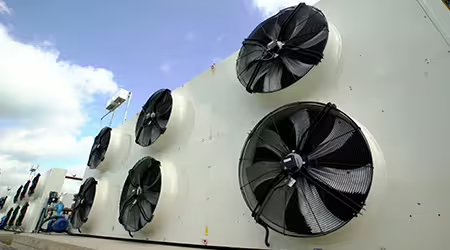
Energy efficiency is a key concern in industrial cooling design:
- Optimize airflow layout in installation environment
- Use variable speed fan systems for load adjustment
- Maintain clean condenser surfaces for better heat exchange
- Implement smart temperature control systems
- Select high-efficiency compressors
These improvements help reduce operational cost and carbon footprint.
Conclusion
Air cooled units have become a core solution in modern industrial cooling due to their efficiency, flexibility, and low maintenance requirements. From plastics and food production to data centers and heavy manufacturing, these systems support stable and continuous operations.
As a dedicated air cooled unit manufacturer, we continuously focus on improving system performance, energy efficiency, and customization capability. Through this blog content, we aim to strengthen online visibility, attract targeted organic traffic, and generate qualified B2B inquiries from global industrial buyers seeking reliable cooling solutions.
FAQ
What is an air cooled unit used for?
An air cooled unit is used to remove heat from industrial processes, machinery, or HVAC systems by using ambient air instead of water. It is widely applied in manufacturing, food processing, plastics, and data centers.
How does an cooled unit work?
It works through a refrigeration cycle where refrigerant absorbs heat, is compressed, and then releases heat into the air via a condenser and fan system, maintaining stable temperature control.
What are the advantages of an air cooled unit?
Key advantages include lower installation cost, no water consumption, easier maintenance, and flexible installation in various industrial environments.
What industries commonly use air cooled units?
They are commonly used in plastic injection molding, pharmaceutical production, food processing, chemical plants, and industrial machinery cooling applications.
How do I choose the right air cooled unit?
Selection depends on cooling capacity, energy efficiency, installation space, and application requirements. Working with a manufacturer helps ensure the right system configuration for your project.
