

Table of Contents
Introduction
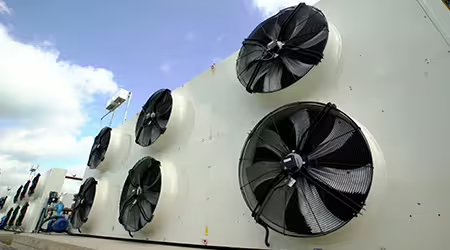
Cold storage refrigeration units are specialized systems designed to maintain controlled temperatures for perishable goods, pharmaceuticals, and industrial products. These units are essential for ensuring product quality, extending shelf life, and minimizing waste. Businesses in the food, pharmaceutical, and chemical industries rely heavily on reliable cold storage solutions to meet safety standards and operational efficiency.
As a manufacturer of cold storage refrigeration units, we focus on delivering durable, energy-efficient, and customizable solutions that meet the unique requirements of our clients. Whether for small-scale commercial use or large industrial warehouses, understanding the types, components, and benefits of these units is crucial for making informed decisions.
Types of Cold Storage Refrigeration Units
Cold storage refrigeration units come in various types to suit different storage needs and applications. Understanding the options is key to selecting the right system.
Modular Cold Storage Units
Modular units are highly flexible and scalable, making them ideal for businesses anticipating growth or seasonal fluctuations. They can be expanded or reconfigured without major construction, allowing for efficient use of space.
Walk-In Cold Rooms
Walk-in cold rooms are perfect for small to medium-scale storage needs. They offer easy access, efficient temperature control, and are commonly used in restaurants, grocery stores, and small distribution centers.
Industrial Refrigeration Systems
Industrial refrigeration systems are designed for large warehouses and factories. These units handle high-capacity storage and maintain consistent temperatures over large areas, ensuring optimal product preservation.
Key Components of Cold Storage Refrigeration Units
The performance and reliability of cold storage refrigeration units depend on their key components:
- Compressor: Powers the refrigeration cycle and maintains pressure.
- Condenser: Releases heat from the system to the environment.
- Evaporator: Absorbs heat from the stored products, lowering temperature.
- Expansion Valve: Controls refrigerant flow for efficient cooling.
- Control Systems: Modern units include digital temperature and humidity controllers for precise management.
- Insulation Materials: High-quality insulation ensures minimal energy loss and maintains consistent temperatures.
How Cold Storage Refrigeration Units Work
Cold storage refrigeration units operate on the principle of heat transfer. Refrigerant circulates through the system, absorbing heat from the storage area and releasing it outside. Modern units may include automated temperature monitoring, alarms for deviations, and smart integration for remote management.
Maintaining consistent temperature is critical for perishable goods. For example, food storage units typically operate between 0°C and 5°C, while pharmaceutical storage may require -20°C or lower for sensitive products.
Advantages of Investing in High-Quality Units
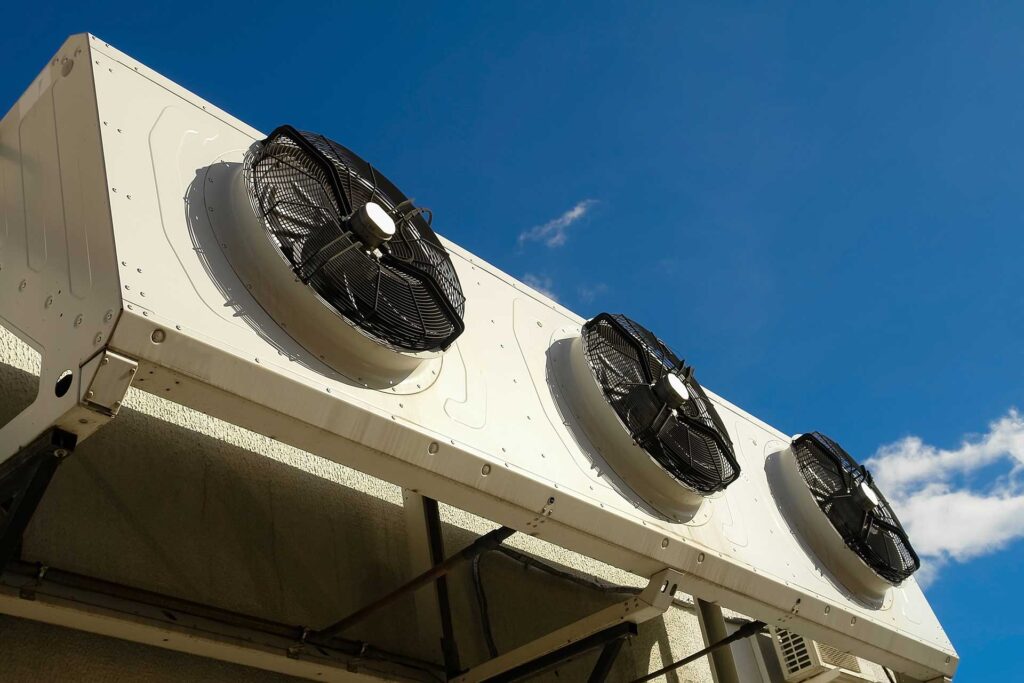
Investing in high-quality cold storage refrigeration units offers several benefits:
- Extended Product Shelf Life: Reduces spoilage and waste, preserving product quality.
- Energy Efficiency: Advanced components and insulation reduce operating costs.
- Regulatory Compliance: Meets food safety and pharmaceutical storage standards.
- Operational Reliability: Minimizes downtime and maintenance requirements.
| Feature | Benefit |
|---|---|
| Energy-Efficient Compressors | Lower electricity costs |
| Advanced Insulation | Maintains consistent temperature |
| Digital Controllers | Precise monitoring of storage conditions |
| Modular Design | Easy expansion and customization |
Maintenance Tips for Cold Storage Refrigeration Units
Proper maintenance is essential for extending the lifespan of your cold storage refrigeration units:
- Schedule regular inspections of compressors, condensers, and evaporators.
- Clean coils and filters to maintain optimal airflow.
- Check refrigerant levels and pressure to ensure efficient operation.
- Implement preventive maintenance to reduce downtime and avoid costly repairs.
Choosing the Right Cold Storage Refrigeration Units
Selecting the right unit requires evaluating your storage needs, industry requirements, and budget. Consider:
- Size and Capacity: Match storage volume to your operational demands.
- Type of Unit: Modular, walk-in, or industrial systems based on space and usage.
- Energy Efficiency: Look for units with low power consumption and eco-friendly refrigerants.
- Customization: Tailored solutions may be required for pharmaceuticals or specialty products.
Industry Trends and Innovations
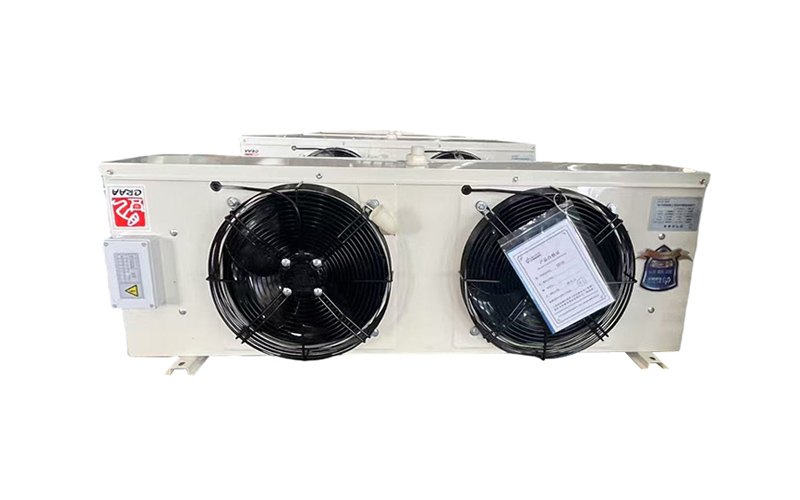
Cold storage refrigeration units are evolving with technological advances:
- Smart Monitoring: IoT integration allows real-time temperature and humidity tracking.
- Eco-Friendly Refrigerants: New refrigerants reduce environmental impact.
- Automation: Automated defrosting, alarms, and remote control improve efficiency.
- Sustainability: Energy-saving designs and modular solutions reduce carbon footprint.
Conclusion
Cold storage refrigeration units are an essential investment for businesses handling perishable goods, pharmaceuticals, and industrial products. Choosing high-quality, energy-efficient units not only ensures product safety but also reduces operational costs and enhances long-term reliability.
As a manufacturer, we are committed to providing durable, customizable, and advanced cold storage refrigeration solutions that meet the evolving demands of modern industries. Whether for small-scale commercial use or large industrial warehouses, understanding your options and staying informed about industry trends will help you make the best choice for your business.
FAQ
How long do cold storage refrigeration units last?
High-quality units can operate efficiently for 15–20 years with proper maintenance.
Can units be customized for pharmaceutical or chemical storage?
Yes, manufacturers offer custom designs to meet specific temperature and safety requirements.
What is the difference between commercial and industrial cold storage units?
Commercial units are smaller, suitable for stores or restaurants, while industrial units handle large-scale warehouse storage.
