

Table of Contents
Introduction
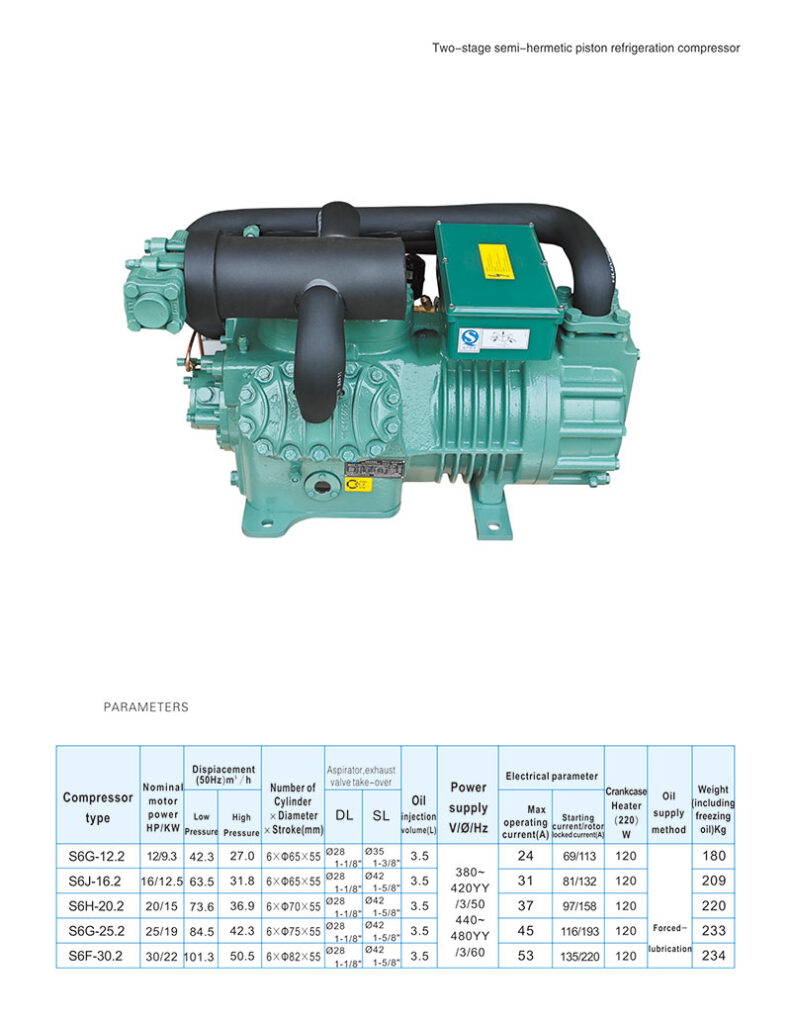
Industrial piston compressors are the backbone of numerous manufacturing operations, providing reliable, high-pressure air for critical processes. As a manufacturer, understanding the mechanics, efficiency, and applications of these compressors is essential to maintaining productivity, reducing downtime, and optimizing energy use. These compressors play a key role in industries ranging from automotive production to pharmaceutical facilities, where precision and consistency are paramount.
Industrial piston compressors stand out for their robust construction, ability to handle high pressures, and adaptability to various industrial applications. Unlike other air compressor types, these systems offer durability and long-term reliability, making them a preferred choice for factories that demand continuous operation.
What Is an Industrial Piston Compressor and How It Works
An industrial piston compressor, also known as a reciprocating air compressor, converts mechanical energy into compressed air through a piston-cylinder system. The basic mechanism involves:
- Intake Stroke: Air is drawn into the cylinder through an intake valve.
- Compression Stroke: The piston compresses the air within the cylinder, increasing pressure.
- Discharge Stroke: High-pressure air is released through the discharge valve to supply industrial tools and processes.
The cycle repeats continuously, producing a consistent airflow suitable for demanding industrial environments. Advanced designs include two-stage compression, where air is compressed twice to achieve higher pressures efficiently.
Key Components of a Heavy-Duty Piston Air Compressor
Industrial piston compressors rely on precise components to ensure performance:
- Piston and Cylinder: Core of the compression process, ensuring airtight performance.
- Crankshaft System: Converts rotational motion into piston movement.
- Valves: Intake and discharge valves regulate airflow during compression.
- Cooling System: Maintains optimal operating temperature for efficiency and longevity.
- Lubrication System: Reduces friction and wear on moving parts, enhancing durability.
Proper design and material selection in these components are crucial for industrial reliability.
Industrial Piston Compressor Working Cycle Explained Step by Step
Understanding the compression cycle in detail can help manufacturers optimize operation:
- Air Intake: Ambient air enters the cylinder.
- Compression Phase: The piston compresses the air, increasing pressure.
- Discharge: Pressurized air exits to the system.
- Cooling & Repeat: The system cools the air and piston before the next cycle begins.
This cycle is fundamental to all reciprocating compressors, and modifications in stroke length, cylinder size, and valve design can optimize performance for specific industrial needs.
Types of Industrial Piston Compressors Used in Factories
Different applications require different compressor designs:
- Single-Stage Compressors: Ideal for moderate pressure applications.
- Two-Stage Compressors: Deliver higher pressure efficiently for heavy industrial use.
- Oil-Lubricated Compressors: Provide enhanced durability but require regular maintenance.
- Oil-Free Compressors: Suitable for clean-room and food processing applications where oil contamination is unacceptable.
Selecting the right type depends on airflow requirements, pressure needs, and environmental conditions.
Industrial Piston Compressor vs Screw Compressor: Key Differences
Manufacturers often compare piston compressors with rotary screw compressors. Key distinctions include:
- Energy Efficiency: Screw compressors are more efficient for continuous operation at moderate pressure, whereas piston compressors excel in high-pressure intermittent use.
- Maintenance Requirements: Piston compressors are simpler to maintain but may require more frequent servicing under heavy use.
- Durability: Industrial piston compressors handle high pressure and tough conditions better, making them ideal for factories with demanding operational schedules.
- Application Fit: Piston compressors are versatile, covering industries such as metal fabrication, chemical processing, and automotive assembly.
These factors help manufacturers decide which air compression system aligns with their production goals.
Advantages of Choosing an Industrial Piston Compressor for Manufacturing Plants
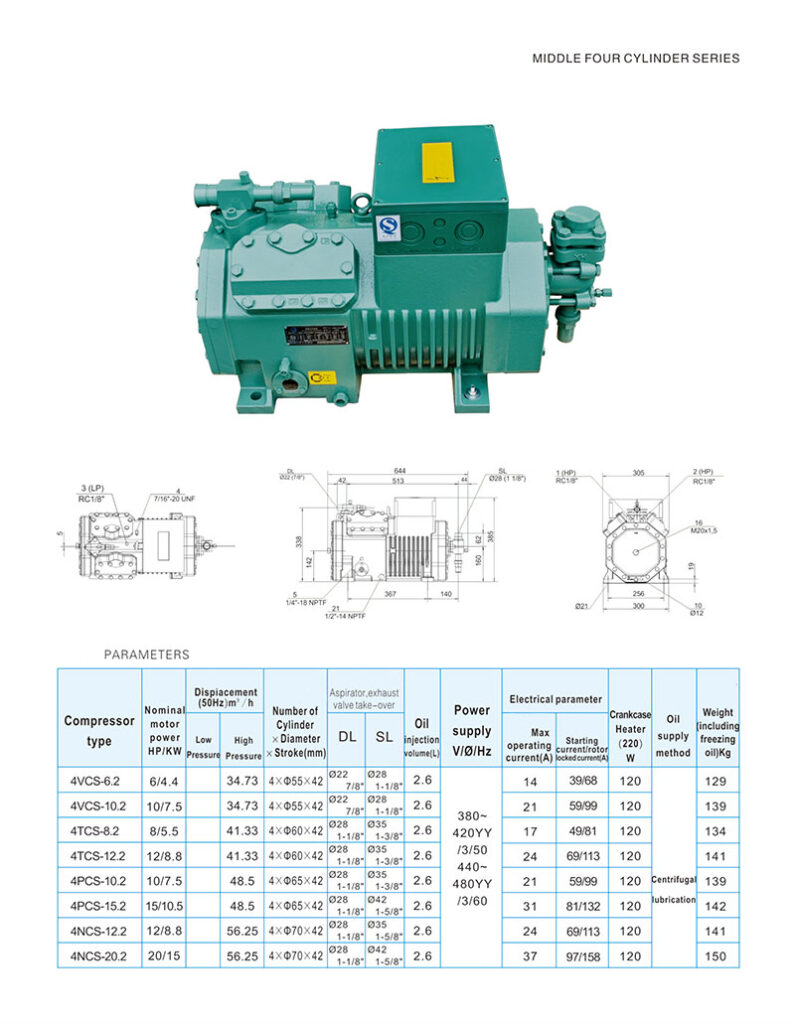
Industrial piston compressors offer several benefits for manufacturers:
- High Pressure Output: Capable of delivering consistent high-pressure air for specialized equipment.
- Durability: Built to withstand harsh industrial environments with minimal downtime.
- Adaptability: Suitable for diverse industrial applications including automotive, chemical, and pharmaceutical industries.
- Maintenance Simplicity: Components are accessible and designed for routine service.
- Energy Optimization: Modern piston compressors can integrate smart controls to reduce energy consumption during idle periods.
By selecting the right system, factories can balance efficiency, reliability, and operational costs.
Common Applications of Industrial Piston Air Compressors
Industrial piston compressors are utilized in various manufacturing scenarios:
- Automotive Production: Powering pneumatic tools, paint booths, and assembly lines.
- Metal Fabrication: Operating presses, cutting tools, and welding equipment.
- Chemical and Pharmaceutical Industries: Providing clean, oil-free air for sensitive processes.
- Construction Equipment Workshops: Supporting maintenance and production of heavy machinery.
- Food Processing: Oil-free compressors ensure contamination-free air in packaging and processing lines.
These applications demonstrate the versatility and industrial importance of piston compressors.
Maintenance Tips to Improve Compressor Lifespan and Efficiency
Proper maintenance enhances performance and reduces downtime:
- Conduct regular lubrication checks to minimize wear.
- Inspect valves and cylinders for leaks and wear.
- Clean cooling systems to prevent overheating.
- Monitor pressure gauges and airflow to detect efficiency drops.
- Follow a structured maintenance schedule tailored to factory operational cycles.
Effective maintenance ensures long-term reliability, critical for high-demand industrial environments.
How to Choose the Right Industrial Piston Compressor for Your Factory
Selecting a compressor involves evaluating multiple factors:
- Required Pressure Level: Match compressor capacity to operational needs.
- Airflow Requirements: Ensure continuous supply for all equipment.
- Duty Cycle Considerations: Choose systems designed for operational load patterns.
- Oil-Free vs Oil-Lubricated: Decide based on environmental and product safety standards.
- Factory Scale Compatibility: Select a system scalable to production volume.
Manufacturers benefit from direct insights into system selection to optimize factory performance.
Why Choose a Manufacturer for Industrial Piston Compressors
Partnering directly with a manufacturer provides distinct advantages:
- Customizable designs to meet specific industrial requirements.
- Quality control aligned with ISO standards and industrial benchmarks.
- Technical support and after-sales service tailored to factory operations.
- Direct factory communication ensures timely implementation and troubleshooting.
Manufacturer-driven solutions ensure reliability, performance, and efficiency.
Energy Efficiency and Cost Optimization in Industrial Air Systems
Modern industrial piston compressors can integrate energy-saving features:
- Load/Unload Control: Reduces power consumption during idle periods.
- Smart Monitoring Systems: Track pressure and performance in real time.
- Optimized Maintenance: Proactive checks prevent inefficiencies and reduce downtime.
- Sustainable Manufacturing Practices: Contribute to lower carbon emissions and operational costs.
Energy-efficient design aligns with industry trends toward greener and more cost-effective operations.
Future Trends of Industrial Piston Compressor Technology
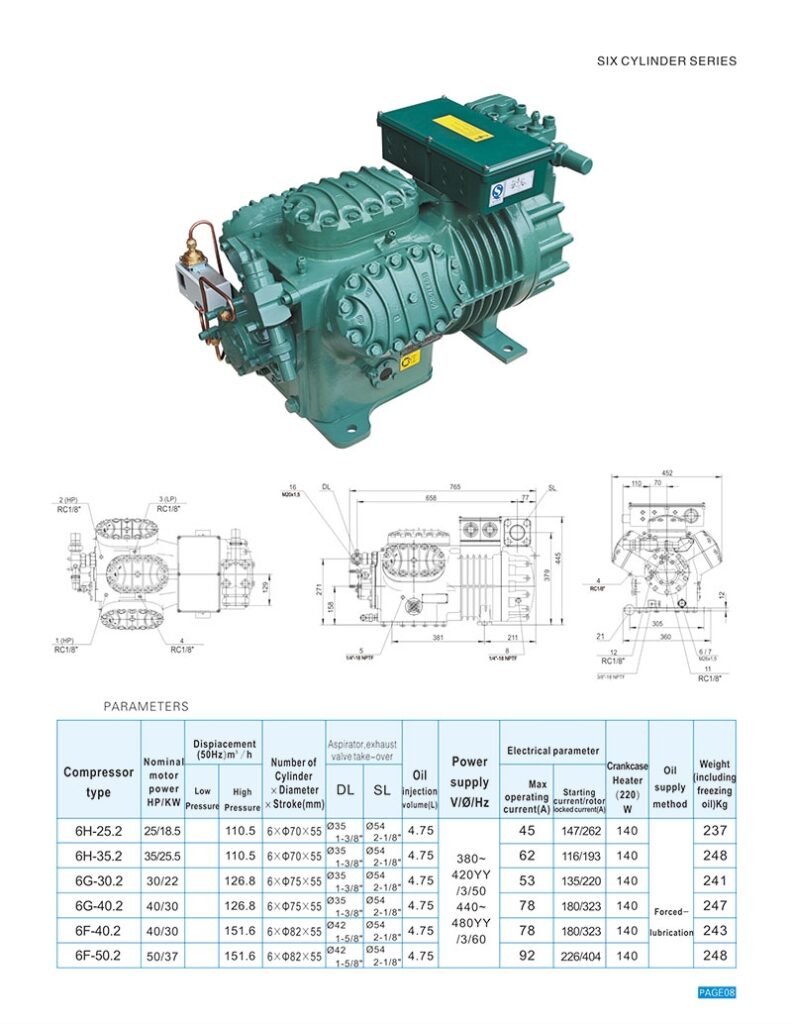
Emerging trends include:
- Smart sensors for predictive maintenance.
- Low-noise and vibration-reducing designs.
- Advanced sealing materials for longer service life.
- Integration with industrial automation and IoT platforms.
These innovations continue to make industrial piston compressors indispensable in modern factories.
Conclusion
Industrial piston compressors remain essential for factories requiring reliable, high-pressure air. As a manufacturer, offering durable, efficient, and adaptable solutions supports industrial productivity and operational excellence. By understanding compressor mechanics, maintenance practices, and energy optimization strategies, manufacturers can select the right systems for their unique production needs.
Investing in advanced piston compressor technology ensures factories remain competitive, efficient, and ready to meet the demands of modern industrial processes.
FAQ
Q1: What is an industrial piston compressor used for?
A1: It provides high-pressure air for various industrial applications, including automotive production, metal fabrication, chemical plants, and food processing, ensuring reliable and consistent operation.
Q2: How does a piston compressor differ from a screw compressor?
A2: Piston compressors deliver higher pressure and durability for intermittent heavy-duty tasks, while screw compressors are more efficient for continuous moderate-pressure applications.
Q3: What maintenance is required for industrial piston compressors?
A3: Regular maintenance includes checking pistons and valves, lubricating moving parts, cleaning cooling systems, and monitoring pressure output to ensure long-term performance.
Q4: Should I choose an oil-free or oil-lubricated piston compressor?
A4: Oil-free compressors are ideal for food, pharmaceutical, or clean environments, while oil-lubricated models offer enhanced durability for general industrial use.
Q5: How can manufacturers improve energy efficiency in piston compressor systems?
A5: Using load/unload controls, monitoring systems, and preventive maintenance helps reduce energy consumption and ensures the compressor operates efficiently in demanding industrial environments.
